What to Expect From Vet Rehab for Dogs and Cats

What to Expect From Vet Rehab for Dogs and Cats
If your dog or cat is struggling with mobility issues, recovering from surgery, or living with chronic pain, you may have heard about vet rehab and wondered how it could help your pet regain comfort and confidence. At Alpha Animal Rehab & Fitness in 975 Bloomfield Ave, Suite 1, West Caldwell, NJ 07006, our veterinary rehabilitation team is dedicated to helping dogs and cats restore function and enjoy a better quality of life through evidence-based therapies and compassionate care. In this guide, we’ll discuss what vet rehab involves, signs that your pet could benefit from rehabilitation, the most common therapies used, what to expect during your first visits, and how we support your pet’s unique journey to recovery. Whether you live in West Caldwell or a nearby community, understanding how specialized vet rehab can help your pet is the first step toward reclaiming their mobility and happiness.
Recognizing When Your Pet Needs Veterinary Rehabilitation
Many pet owners wonder how to tell when their dog or cat might need professional rehabilitation. Sometimes, the signs are subtle and easy to overlook, especially in older pets who may naturally slow down. Key symptoms that may indicate your pet could benefit from vet rehab include difficulty rising or lying down, limping, reluctance to climb stairs, an unwillingness to jump onto favorite furniture, decreased activity, or visible pain during movement. You might also notice changes in personality such as irritability, withdrawal, or less interest in playtime. After surgery or an injury, pets often show muscle weakness, poor balance, or trouble bearing weight on one limb. Even cats, who are experts at hiding discomfort, may show reluctance to jump, stiffness after rest, or changes in grooming habits. If you observe any of these changes in your dog or cat, discussing them with your veterinarian or a rehabilitation specialist can help determine if a tailored vet rehab program is right for your pet.
Understanding the Causes of Mobility Issues in Dogs and Cats
Mobility problems in pets can result from a wide range of causes, and understanding these factors can help you recognize when intervention is needed. Orthopedic injuries such as ligament tears, fractures, and dislocations are common reasons for rehabilitation. Conditions like hip dysplasia, elbow dysplasia, or luxating patellas can affect younger and older animals alike. Neurological issues, including intervertebral disc disease (IVDD) or nerve injuries, may cause weakness, dragging of limbs, or coordination problems. Arthritis and degenerative joint disease often develop in senior pets, causing chronic pain and decreased flexibility. Additionally, obesity can put extra stress on joints and muscles, further limiting mobility. Some pets require rehab following surgeries such as cranial cruciate ligament (CCL) repair, spinal surgery, or fracture stabilization. At Alpha Animal Rehab & Fitness, our veterinary team works closely with you and your primary care veterinarian to understand the underlying causes of your pet’s condition so we can develop a personalized plan for recovery. For more details on specific conditions such as CCL tears or hip dysplasia, explore our resources dedicated to these topics.
What Happens During Vet Rehab at Alpha Animal Rehab & Fitness
Your Pet’s First Visit: Assessment and Goal Setting
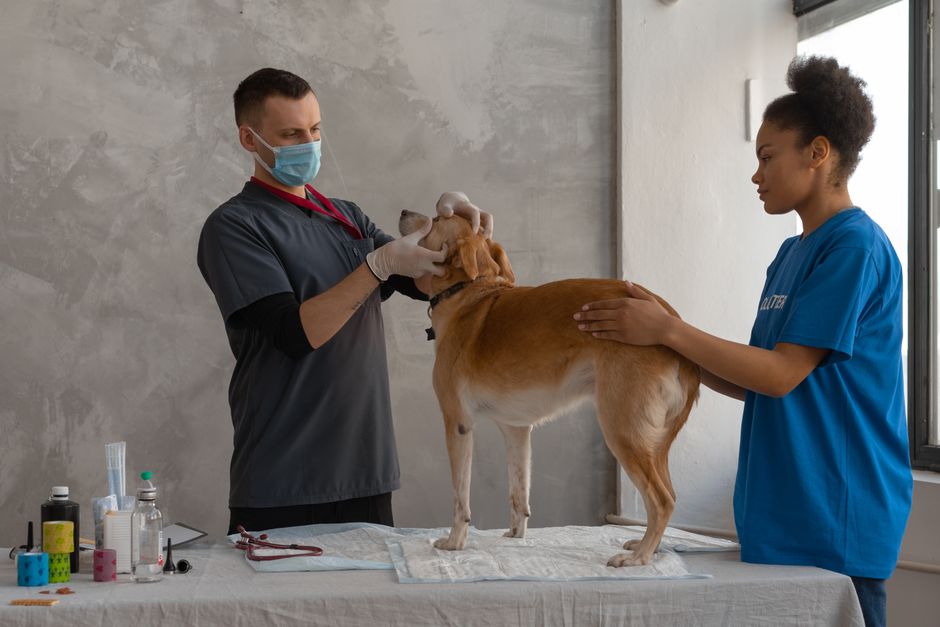
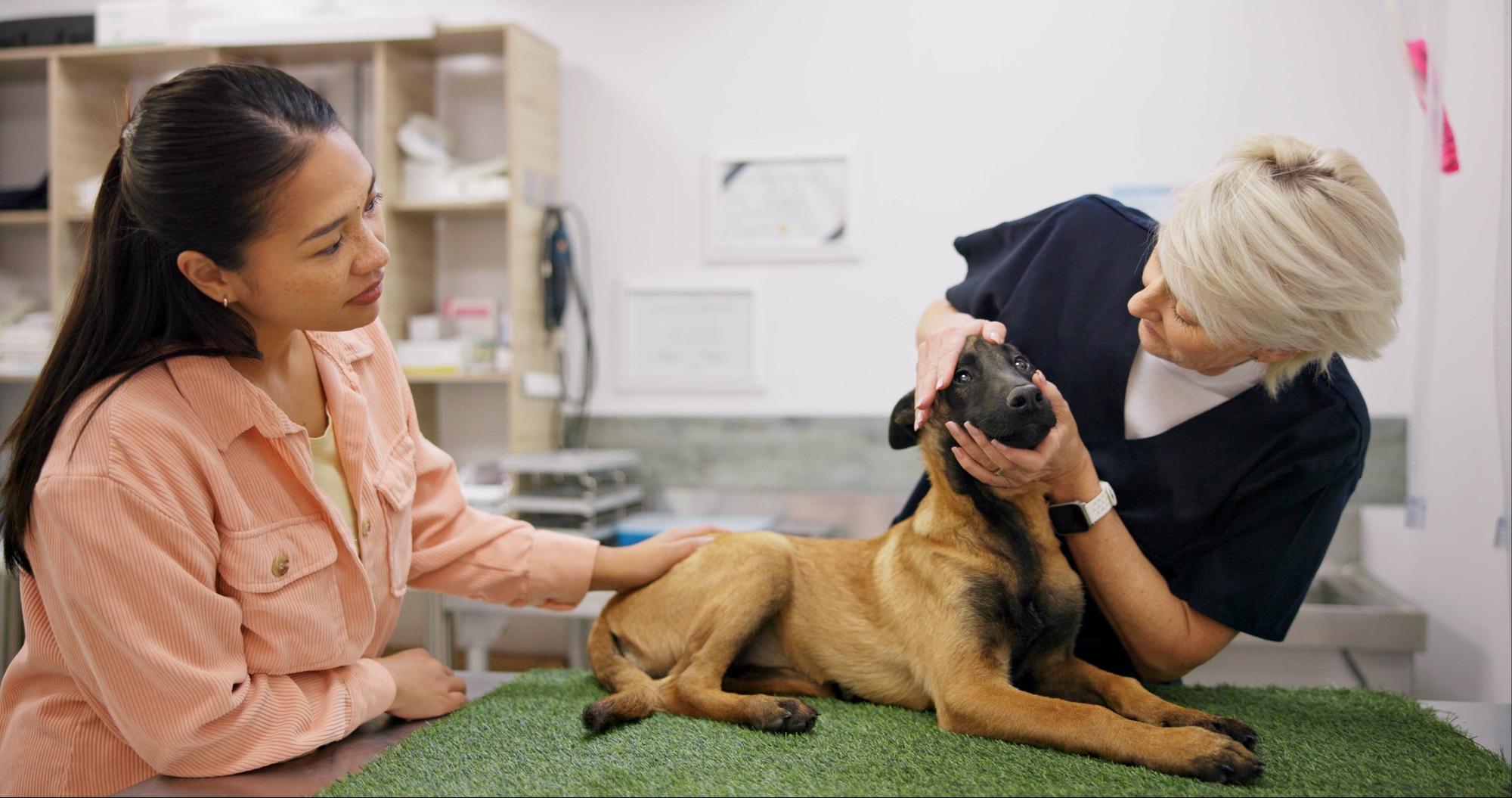
The first step in any vet rehab journey is a comprehensive evaluation. During your initial visit at Alpha Animal Rehab & Fitness, our rehabilitation veterinarians will review your pet’s medical history, conduct a thorough physical and orthopedic examination, and assess gait, muscle condition, flexibility, and pain levels. We will discuss your goals for your pet, whether that’s returning to favorite activities, improving mobility, or managing chronic pain. This initial assessment helps us tailor a rehabilitation plan that fits your pet’s unique needs, lifestyle, and health status.
Common Rehabilitation Therapies for Dogs and Cats
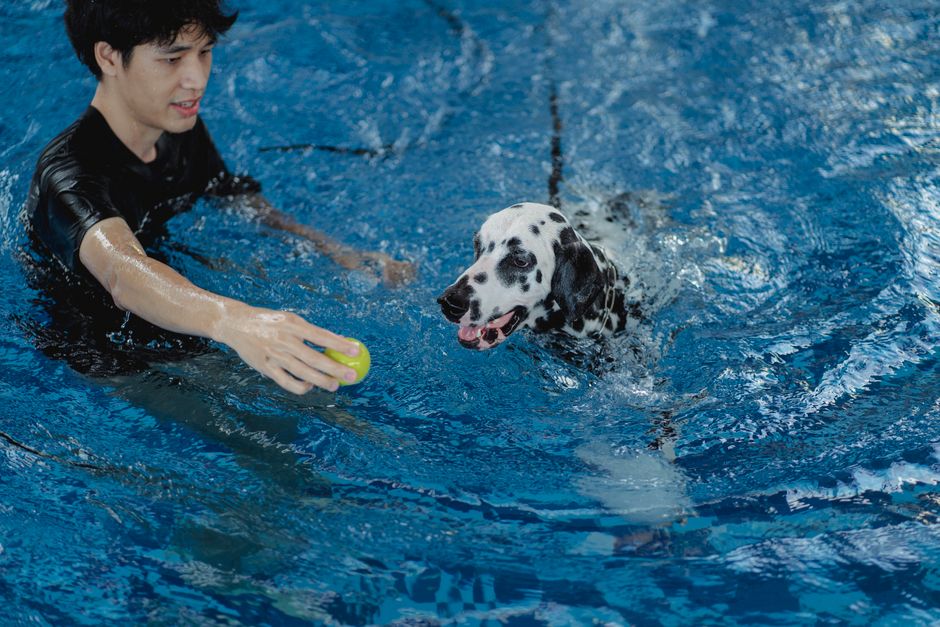
Our team offers a wide range of evidence-based therapies designed to address a variety of conditions. For dogs recovering from surgery or injury, underwater treadmill therapy is a popular option that allows for low-impact exercise, improved range of motion, and muscle strengthening while minimizing stress on joints. Manual therapy uses hands-on techniques such as massage, stretching, and joint mobilization to reduce pain and improve movement. Laser therapy can help decrease inflammation, accelerate healing, and provide pain relief for both dogs and cats. Therapeutic exercise programs are designed to build strength, balance, and coordination through targeted activities. For pets with severe mobility challenges, our team can fit and recommend appropriate carts, harnesses, and braces to support daily movement and prevent further injury.
Cats benefit from tailored rehab as well. Our cat rehabilitation services provide gentle, species-appropriate exercises and therapies in a calm, cat-friendly environment. For overweight pets, weight management is integrated into the rehab plan to reduce joint stress and enhance recovery.
Depending on your pet’s specific condition, advanced modalities such as pulsed electromagnetic field therapy (PEMF), extracorporeal shockwave therapy (ESWT), or custom fitness plans may be part of the program. Each therapy is selected based on current veterinary research, your pet’s tolerance, and the goals established during the initial consultation.
Ongoing Progress and Support
Vet rehab is rarely a one-time event; it’s a process that involves regular re-evaluations to track progress and adjust the plan as needed. Your rehabilitation veterinarian will monitor your pet’s improvements, address any new challenges, and provide updates on what you can do at home to support healing. Many owners see gradual improvements in comfort, willingness to move, and overall happiness as sessions progress. Our team is dedicated to helping you celebrate small victories, whether that’s a dog taking a longer walk or a cat resuming favorite play behaviors.
Home Care and Prevention: Supporting Your Pet Between Sessions
While professional therapies are essential, what you do at home can make a significant difference in your pet’s recovery. Your rehabilitation veterinarian will provide clear, step-by-step guidance for exercises, stretches, or environmental modifications tailored to your pet’s needs. For example, you might be shown how to encourage gentle movement, use ramps or non-slip mats to prevent falls, or support your pet with harnesses during walks. Weight management is critical for joint health, and our team can advise on appropriate diet changes or activity adjustments as needed. Consistency is key; sticking to the recommended at-home exercises and keeping scheduled appointments will help your dog or cat achieve the best possible outcome.
Additionally, preventive strategies such as maintaining a healthy weight, providing regular low-impact exercise, and avoiding slippery surfaces can help reduce the risk of future injuries or exacerbation of chronic issues. For senior pets or those with arthritis, ongoing senior dog care and regular check-ins with your rehab team can keep them comfortable and mobile. If you have questions about how to support your pet’s progress at home, our veterinary team is always available to offer advice and encouragement.
When to Seek Professional Veterinary Rehab Care
It’s important to know when it’s time to consult a veterinary rehabilitation specialist. Immediate evaluation is recommended if your pet suddenly loses the ability to walk, shows signs of severe pain, or has experienced trauma or surgery. For ongoing issues such as chronic lameness, stiffness, or slow recovery after injury, early intervention with vet rehab can prevent long-term complications and improve your pet’s quality of life. If your primary care veterinarian has recommended rehabilitation, or if you notice a decline in your pet’s mobility or comfort, don’t hesitate to reach out. At Alpha Animal Rehab & Fitness, our veterinarians will work closely with your regular vet to provide seamless, collaborative care focused on your pet’s individual needs.
If travel to the clinic is challenging, ask about our virtual consults to discuss your pet’s situation and determine if in-person therapy is needed. Remember, timely intervention is the key to successful rehabilitation and long-term comfort.
Why Choose Alpha Animal Rehab & Fitness for Vet Rehab in West Caldwell
Choosing the right vet rehab facility is about more than just location; it’s about trust, expertise, and compassionate care tailored to your dog or cat. At Alpha Animal Rehab & Fitness, we focus exclusively on rehabilitation for dogs and cats, ensuring every therapy and recommendation is grounded in the latest veterinary science and delivered in a low-stress, pet-friendly environment. Our team of veterinarians and certified rehabilitation professionals are passionate about helping pets regain independence, whether they are recovering from surgery, living with arthritis, or facing mobility challenges from injury or age.
We proudly serve West Caldwell and surrounding communities, providing access to advanced therapies close to home. Our convenient location at 975 Bloomfield Ave, Suite 1, West Caldwell, NJ 07006 makes it easy to get your pet the specialized care they deserve. If you are searching for a veterinary rehab specialist or a "rehab vet near me," you can count on our team to guide you through every step of your pet’s recovery.
If you think your dog or cat may benefit from vet rehab, or if you want to learn more about our therapies and services, we invite you to contact our veterinary rehabilitation team. Call us at (908) 454-2273 to schedule a consultation or visit our website at alpharehabandfitness.com for more information. We look forward to helping your pet move comfortably and confidently once again.
This article is intended for educational purposes only and should not be considered a substitute for professional veterinary advice. Always consult with a veterinarian regarding your pet’s individual health needs.