CCL Tear in Dogs: Rehab Solutions for Faster Recovery

CCL Tear in Dogs: Rehab Solutions for Faster Recovery
When you notice your dog limping or struggling to get up after a walk, it can be distressing and confusing. For many dog owners in West Caldwell, NJ and surrounding communities, a CCL tear is one of the most common orthopedic injuries affecting canine mobility and quality of life. If you are worried about a CCL tear in dogs, you are not alone—this injury can impact dogs of all ages and activity levels, especially during the busy fall season when outdoor play is at its peak. At Alpha Animal Rehab & Fitness, located at 975 Bloomfield Ave, Suite 1, West Caldwell, NJ 07006, our veterinary rehabilitation team specializes in advanced, evidence-based therapies designed to help your dog regain strength, flexibility, and independence. In this blog, we will explore what a CCL tear is, how to recognize it, treatment and rehabilitation options—including underwater treadmill therapy, laser therapy, and customized exercises—and offer guidance on supporting your dog’s recovery at home. If you want to learn more about CCL tear rehabilitation and how our experts can help your dog heal, you are in the right place.
Recognizing a CCL Tear in Dogs: Signs and Symptoms
Understanding when a CCL tear might be affecting your dog is the first step toward a successful recovery. The cranial cruciate ligament (CCL) in dogs is similar to the ACL in humans, providing stability to the knee joint. When this ligament is injured, your dog may suddenly become lame, favor one leg, or seem reluctant to engage in normal activities like running, jumping, or climbing stairs. Key symptoms of a CCL tear in dogs include visible limping—often starting suddenly after vigorous activity—difficulty rising from a sitting or lying position, and swelling or discomfort around the knee. Some dogs may show subtle changes, such as decreased interest in play, hesitation to go on walks, or favoring one leg when standing. In more severe cases, you may notice your dog carrying the injured limb or struggling to bear any weight at all.
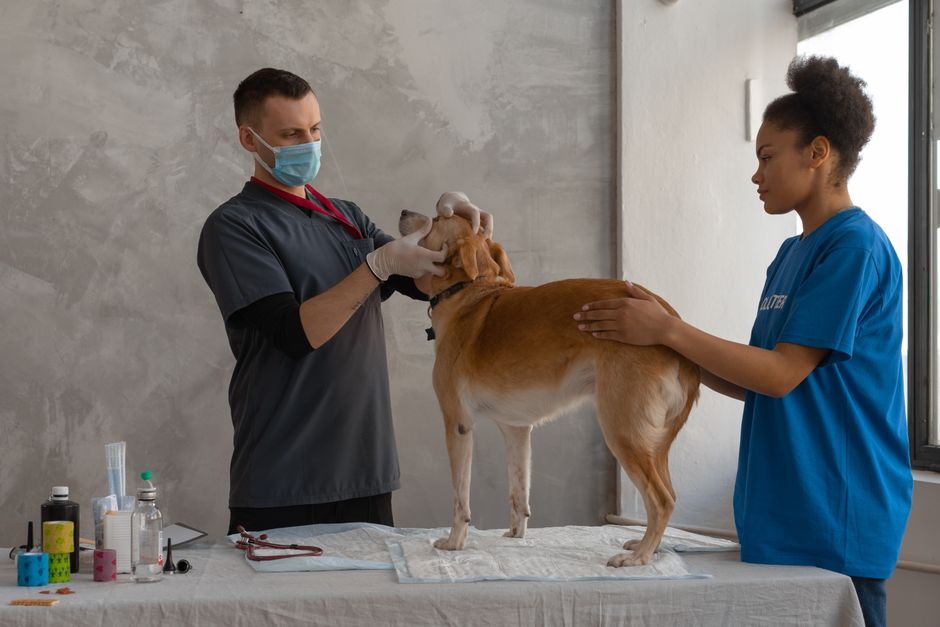
It is important to remember that not all dogs with a CCL tear will show dramatic symptoms right away. Early signs can be mild and easy to miss, which is why prompt attention from a veterinary rehabilitation specialist is crucial. If you notice any of these changes in your dog’s movement or behavior, contacting a specialty rehab facility like Alpha Animal Rehab & Fitness is the best way to ensure a timely and accurate diagnosis.
What Causes a CCL Tear in Dogs? Understanding the Underlying Factors
A CCL tear in dogs can occur for several reasons, and understanding the underlying factors can help you protect your dog's long-term joint health. The most common cause is degeneration of the ligament over time, which makes it more susceptible to injury. This means that even regular activities like running, jumping off furniture, or playing fetch can eventually lead to a partial or complete tear, especially in middle-aged or older dogs. High-energy breeds and overweight dogs are at greater risk due to increased stress on their knee joints. Additionally, sudden twisting motions—such as when a dog pivots sharply during play or stumbles on uneven ground—can strain or rupture the CCL.
Other contributing factors include poor body condition, previous injuries to the opposite leg, and genetic predisposition in certain breeds. While cats can also experience CCL injuries, this condition is far more common in dogs. Recognizing these risk factors early allows you to make proactive choices, such as maintaining a healthy weight and providing appropriate exercise, to reduce the likelihood of injury.
Rehabilitation and Treatment Options for a CCL Tear in Dogs
Once your dog has been diagnosed with a CCL tear, you may wonder what the best path to recovery looks like. At Alpha Animal Rehab & Fitness, our approach is focused on individualized rehabilitation plans that address your dog's unique needs—whether surgery has been performed or conservative management is preferred. Our veterinary rehabilitation team utilizes advanced therapies that have been shown to speed up healing, minimize pain, and restore function.
Underwater Treadmill Therapy
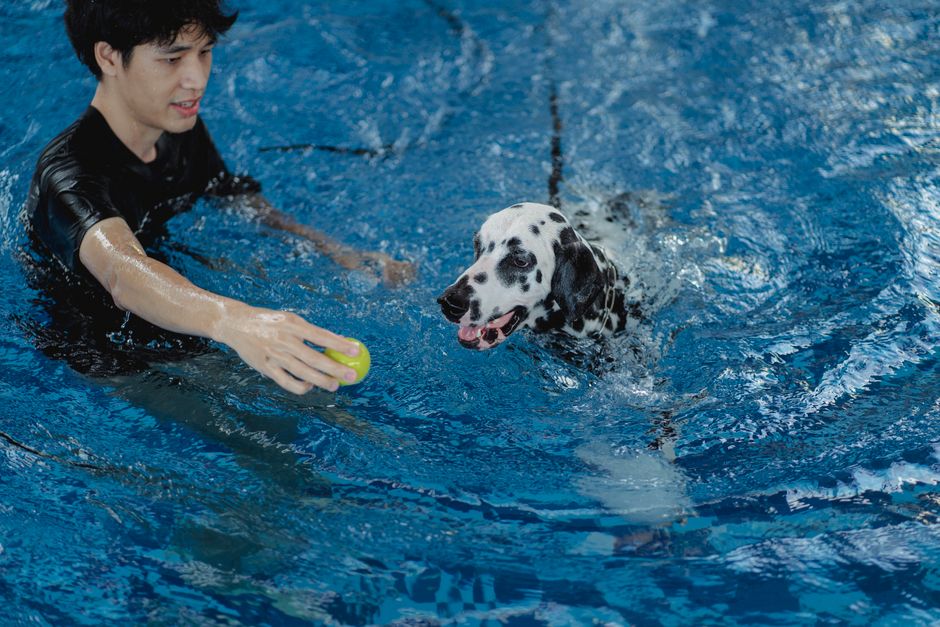
One of the most effective tools for canine CCL tear rehabilitation is the underwater treadmill. This therapy allows your dog to exercise in a controlled, low-impact environment, supporting their weight with water buoyancy while gently rebuilding muscle strength and range of motion. The water also provides resistance that helps improve joint stability without putting excessive strain on healing tissues. Many dogs find underwater treadmill sessions enjoyable and motivating, which can lead to faster progress compared to traditional land-based exercise.
Laser Therapy and ESWT Shockwave
To further support healing, modalities like laser therapy and ESWT shockwave therapy are often integrated into the rehabilitation plan. Laser therapy uses focused light energy to decrease inflammation, reduce pain, and stimulate tissue repair at the cellular level. ESWT, or extracorporeal shockwave therapy, applies targeted acoustic waves to promote blood flow and accelerate regeneration of soft tissues. These treatments can be especially beneficial for dogs experiencing chronic discomfort or delayed healing after injury or surgery.
Manual Therapy, PEMF, and Therapeutic Exercise
Hands-on techniques like manual therapy involve gentle stretching, massage, and joint mobilization performed by our experienced veterinarians. These methods help reduce muscle tension, increase flexibility, and encourage proper movement patterns. For some dogs, PEMF therapy (Pulsed Electromagnetic Field therapy) may also be recommended to further reduce pain and inflammation.
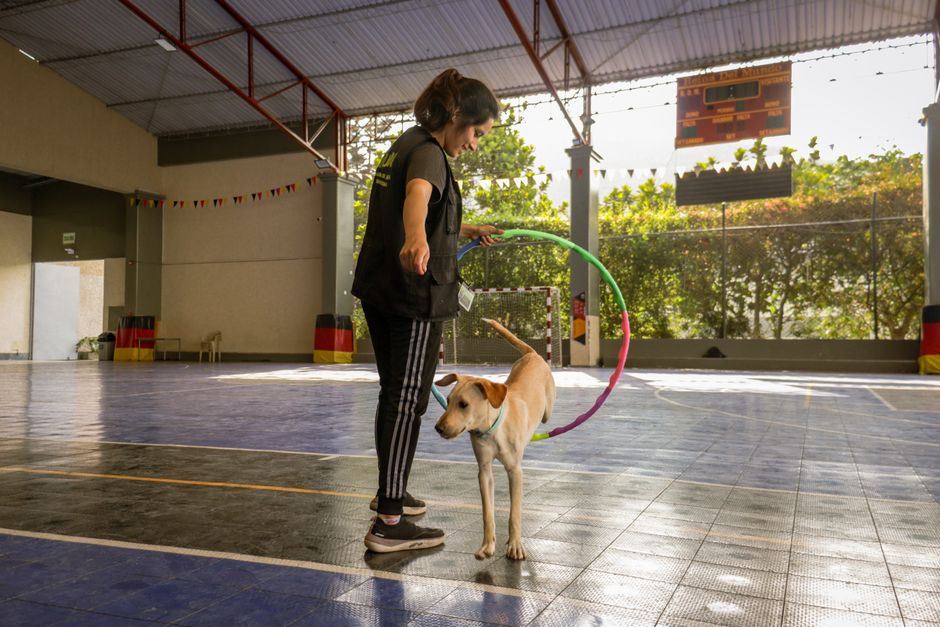
A critical component of recovery is a customized therapeutic exercise program. These exercises are tailored to your dog’s specific condition and progress, focusing on balance, core strength, and coordination. Regular assessment ensures that each exercise is performed safely and effectively, providing measurable improvement in mobility and confidence.
Mobility Support: Carts, Harnesses, and Braces
For dogs that need extra assistance during recovery, mobility aids such as carts, harnesses, and braces can help maintain independence and prevent further injury. Our team evaluates each dog’s needs and fits them with the appropriate support devices to ensure safety and comfort.
Home Care Strategies: Supporting Your Dog’s Recovery
While professional rehabilitation is essential for optimal healing, your role as a dog owner is equally important. At home, you can support your dog's recovery from a CCL tear by following several key steps. Restricting high-impact activities is essential; this means avoiding running, jumping, or playing on slippery surfaces until your veterinarian gives the all-clear. Keeping your dog on a leash during outdoor walks helps control their activity level and prevents sudden movements that could re-injure the knee. Providing a soft, supportive bed and using ramps instead of stairs can reduce strain on healing joints.
Adhering to your dog’s rehabilitation plan—including prescribed exercises and recommended therapies—is crucial for building strength and flexibility. Consistency is key; short, frequent sessions are often more effective than occasional long ones. Monitoring your dog for signs of discomfort, swelling, or reluctance to use the affected leg is also important, as these may indicate the need for further evaluation or adjustments to the treatment plan.
If you have concerns about your dog's progress or need help managing their comfort at home, our veterinary rehabilitation team is always available to provide guidance and answer questions. We also offer virtual consults for added convenience, allowing you to connect with our specialists from the comfort of your home.
When to Seek Veterinary Rehabilitation Care
Prompt, specialized intervention is the best way to give your dog the greatest chance of a full and speedy recovery from a CCL tear. If your dog is limping, unable to put weight on a hind leg, or experiencing ongoing difficulty with movement, it is time to contact a veterinary rehabilitation facility. Delaying care can lead to muscle atrophy, joint stiffness, and worsening pain, making recovery more challenging in the long run.
Alpha Animal Rehab & Fitness is dedicated solely to canine and feline rehabilitation, which means our focus is entirely on helping your dog regain mobility and quality of life after injury. Whether your dog has had surgery or you are exploring non-surgical options, our team will work closely with your general veterinarian and create a comprehensive plan tailored to your dog’s individual needs. If you are searching for a rehabilitation vet near me, Alpha Animal Rehab & Fitness is here to help every step of the way.
Supporting Your Dog’s Healing Journey at Alpha Animal Rehab & Fitness
A CCL tear in dogs does not have to mean the end of an active lifestyle. With the right rehabilitation strategies and the support of a dedicated veterinary rehabilitation team, your dog can regain confidence, strength, and joy in daily activities. At Alpha Animal Rehab & Fitness, located in West Caldwell, NJ, we offer comprehensive, evidence-based solutions for CCL tear recovery, including underwater treadmill therapy, laser therapy, therapeutic exercise, and more. Our goal is to provide compassionate, expert care that empowers you and your dog throughout the healing process.
If your dog is recovering from a CCL tear or you are concerned about sudden lameness, we encourage you to reach out to our veterinary rehabilitation professionals today. To learn more about CCL tear rehabilitation or to schedule a consultation, call us at (908) 454-2273 or visit our facility at 975 Bloomfield Ave, Suite 1, West Caldwell, NJ 07006. When searching for a rehabilitation vet near me, trust Alpha Animal Rehab & Fitness to guide your dog’s recovery with expertise and empathy. For more information on CCL tears and how we can help, visit our CCL tear rehabilitation care page or explore our therapeutic exercise services for customized recovery plans. Your dog’s comfort, mobility, and happiness are always our top priorities.