Rehabilitation Tips for Cats Recovering From Injury or Surgery

Rehabilitation Tips for Cats Recovering From Injury or Surgery
When your cat is recovering from an injury or recent surgery, you want nothing more than to see them comfortable, mobile, and back to their usual curious self. Recovery can be especially challenging during the cool November weather in West Caldwell, NJ, when your feline friend may be less active and more prone to stiffness. At Alpha Animal Rehab & Fitness, located at 975 Bloomfield Ave, Suite 1, West Caldwell, NJ 07006, our team of veterinary rehabilitation professionals is dedicated to helping cats regain mobility, prevent complications, and enjoy an improved quality of life after injury or surgery. In this guide, we’ll discuss how to recognize when your cat needs rehabilitation, what causes delays in feline recovery, proven rehabilitation strategies, home care tips, and when to seek specialized support. You’ll also discover how our advanced feline rehabilitation services can make a difference for your cat, even during colder months.
Recognizing When Your Cat Needs Rehabilitation
Cats are experts at hiding pain and discomfort, which makes monitoring their recovery especially important. After injury or surgery, it’s natural for cats to rest more, but certain signs indicate they may need rehabilitation to support a smoother recovery. Common symptoms include difficulty rising, limping or favoring one limb, reluctance to jump or climb, and changes in grooming habits. You might also notice your cat spending more time in one spot, avoiding stairs or furniture, or displaying less interest in interactive play. Swelling, stiffness, or visible muscle loss can develop if mobility is limited for too long. If your cat seems withdrawn, irritable, or vocalizes when touched, these can also be subtle signals of discomfort or pain. Monitoring these behaviors in the weeks following an injury or surgical procedure helps determine whether your cat could benefit from a targeted rehabilitation plan.
Why Cats May Struggle During Recovery
Several factors contribute to recovery challenges in cats. Unlike dogs, cats are often less cooperative with forced activity, and their natural stoicism can mask underlying problems. Pain, inflammation, and muscle weakness can cause cats to move less, which may lead to joint stiffness, muscle atrophy, and delayed healing. Post-surgical restrictions or splinting can further limit mobility. Additionally, cold and damp November weather in the West Caldwell area can make it harder for cats with joint or muscle injuries to stay comfortable, as cooler temperatures can exacerbate stiffness and discourage movement.
Environmental changes after surgery, such as restricted access to favorite perches or being confined to a smaller recovery area, may also increase your cat’s stress level. Anxiety can affect appetite, sleep, and willingness to move, all of which are important for healing. These factors highlight the importance of a comprehensive rehabilitation approach tailored to the unique needs of each cat.
Professional Feline Rehabilitation: What to Expect
A specialized rehabilitation program for cats focuses on restoring movement, reducing pain, and rebuilding strength safely. At Alpha Animal Rehab & Fitness, our certified rehabilitation veterinarians design individualized plans that may include several proven therapies. Therapeutic exercise is a cornerstone of feline rehabilitation. Gentle stretches and controlled movements help maintain joint flexibility and prevent muscle loss. Our veterinary team uses positive reinforcement and cat-friendly techniques to encourage participation.
Manual therapy is another valuable tool for cats recovering from injury or surgery. Hands-on techniques, such as massage and passive range-of-motion exercises, can support mobility, relieve tension, and reduce discomfort. You can learn more about these hands-on techniques on our manual therapy page.
Advanced modalities can be especially helpful for cats with significant pain or inflammation. Laser therapy and infrared technology, for example, use targeted light energy to decrease inflammation, improve circulation, and support tissue healing. This approach is gentle and non-invasive, making it well suited for sensitive feline patients. For more information on this treatment, visit our laser and infrared therapy page.
In certain cases, specialized equipment such as harnesses or supportive braces can assist cats with mobility challenges. Our team can recommend individualized solutions to help your cat move safely and regain independence.
Home Care and Prevention: Helping Your Cat Heal Comfortably
Supporting your cat’s recovery at home is just as important as professional rehabilitation. Creating a safe, comfortable environment minimizes stress and supports healing. Steps include providing soft, supportive bedding in a quiet area and ensuring food, water, and litter are easily accessible without the need for jumping or climbing stairs. During cooler months, keeping your cat’s recovery space warm and draft-free helps prevent stiffness and encourages relaxation.
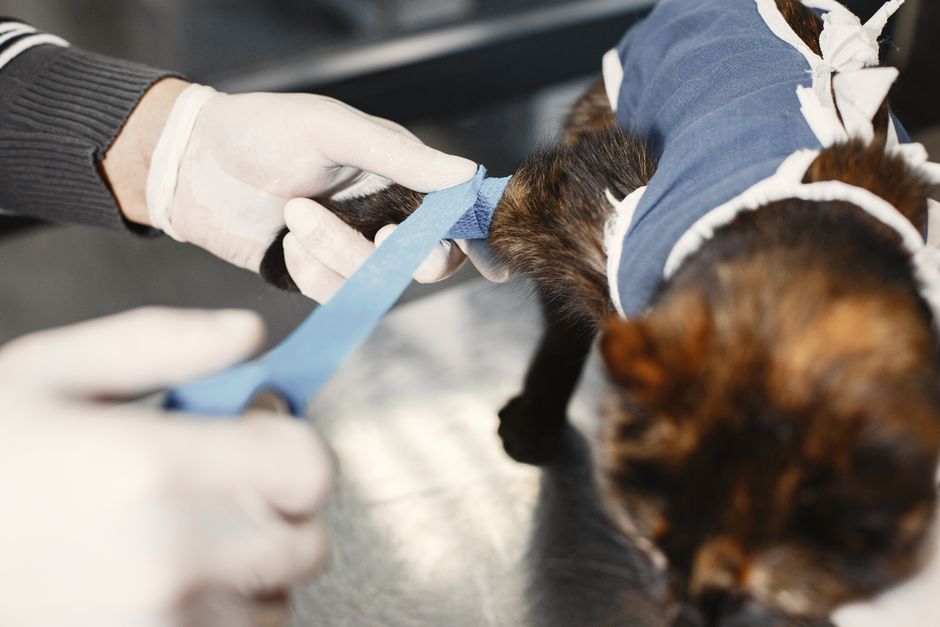
Encouraging gentle movement is vital for preventing joint stiffness and muscle atrophy. Short, supervised play sessions with low-impact toys can motivate your cat to stretch and move. Avoid forcing any activity; instead, reward your cat for small efforts and let them set the pace. If your cat is wearing a splint or has restricted mobility, follow your veterinarian’s instructions closely regarding movement and exercise.
Weight management plays a significant role in recovery. Excess weight can put additional strain on healing joints and tissues. Feeding measured portions and monitoring your cat’s weight during recovery help prevent setbacks and support long-term health. If you notice changes in appetite or weight, consult your veterinary team for guidance.
When to Seek Professional Rehabilitation Care
Some aspects of recovery require the expertise of a veterinary rehabilitation team. You should contact us if your cat shows persistent pain, ongoing reluctance to move, or if you notice swelling, heat, or discharge from a surgical site. Difficulty using the litter box, significant changes in behavior, or loss of appetite for more than a day are also reasons to seek help. Delays in healing, pronounced muscle loss, or any new neurological signs such as weakness or incoordination require prompt professional evaluation.
Early intervention with a customized rehabilitation plan can make a significant difference in your cat’s comfort and recovery timeline. Our team at Alpha Animal Rehab & Fitness works closely with your primary veterinarian to provide seamless, specialized support tailored to your cat’s specific needs. Learn more about our cat rehabilitation and physical therapy services and how they can benefit your feline companion.
Supporting Your Cat Through Every Step of Recovery
Caring for a cat after injury or surgery can feel overwhelming, but you are not alone. With the right combination of professional rehabilitation, thoughtful home care, and ongoing support, many cats make impressive recoveries and regain their independence. If you are searching for a rehabilitation vet near me or want expert advice on helping your cat heal, Alpha Animal Rehab & Fitness is here to help. Our dedicated veterinary rehabilitation team serves West Caldwell and surrounding communities, offering compassionate, specialized care for cats in every stage of recovery.
To discuss your cat’s rehabilitation needs or schedule a consultation, call (908) 454-2273 or visit us at 975 Bloomfield Ave, Suite 1, West Caldwell, NJ 07006. For more details about therapeutic exercise programs designed for cats, explore our therapeutic exercise page. We look forward to helping your cat move, play, and thrive again, no matter the season.
This blog is intended for informational purposes only and does not replace professional veterinary advice. Always consult your veterinarian or rehabilitation specialist for specific recommendations regarding your cat’s recovery.