How Cold Weather Impacts Joint Pain in Dogs and Cats


How Cold Weather Impacts Joint Pain in Dogs and Cats
As the crisp November air settles into West Caldwell and the surrounding communities, many pet owners notice a familiar pattern: their dogs and cats seem a little slower to get up in the mornings, more hesitant to climb stairs, or less eager for playtime. Cold weather can have a significant impact on joint pain and mobility, especially for pets managing arthritis or recovering from injury. At Alpha Animal Rehab & Fitness, located at 975 Bloomfield Ave, Suite 1, West Caldwell, NJ 07006, our dedicated veterinary team specializes in evidence-based physical rehabilitation for dogs and cats. We understand how winter temperatures can influence joint health and quality of life, and our mission is to help your pet stay comfortable and active all season long.
In this blog, you will learn how cold weather affects joint pain in dogs and cats, how to recognize signs of discomfort, and the ways physical rehabilitation supports mobility. We will also share practical, veterinarian-recommended tips for keeping your pet comfortable at home during the winter months. If you are searching for advanced arthritis management or canine and feline rehabilitation options in West Caldwell, our team is here to guide you every step of the way.
Recognizing Joint Pain in Dogs and Cats During Winter
Cold weather often brings subtle and not-so-subtle changes in your pet’s behavior and movement. Many pet owners find that their dog or cat becomes more reluctant to go outside, appears stiff after resting, or shows less enthusiasm for their usual activities as temperatures drop. Recognizing these early warning signs is the first step in supporting your pet’s joint health.
Key symptoms of winter-related joint pain in dogs and cats include increased stiffness after naps or overnight sleep, noticeable limping or favoring one leg, difficulty rising from a lying position, and hesitation with stairs or jumping onto furniture. Additionally, you may see your pet licking or chewing at painful joints, changes in posture, or a general decrease in playfulness and activity. Cats may avoid high perches or become less interested in interactive toys, while dogs may shorten their walks or lag behind on familiar routes.
It is important to note that these signs can be subtle, especially in cats, who tend to hide discomfort. If you notice any of these changes, consider how the colder weather may be affecting your pet’s comfort level. Early recognition allows for prompt intervention and can help prevent further decline in mobility.
Why Does Cold Weather Make Joint Pain Worse?
Understanding why cold weather impacts joint pain in dogs and cats can help you better manage your pet’s needs through the winter months. There are several reasons why colder temperatures and damp conditions can exacerbate arthritis and other mobility issues.
First, lower temperatures can lead to muscle stiffness, making it more difficult for pets to move comfortably. Just as people with arthritis often feel more achy in the winter, dogs and cats with joint issues experience similar discomfort. Reduced physical activity during colder months can also contribute to muscle loss, further decreasing joint stability and flexibility.
Another factor is that pets may be less inclined to move around as much when it is chilly, leading to longer periods of inactivity. This can cause joints to stiffen even more and contribute to a cycle of discomfort. For pets with chronic conditions like osteoarthritis, the drop in barometric pressure during storms can trigger increased inflammation and pain, making symptoms more noticeable.
Additionally, older pets or those recovering from orthopedic injury are especially sensitive to temperature changes. Managing these factors with professional support and a tailored, winter-friendly routine can make a big difference in your pet’s comfort and mobility.
How Physical Rehabilitation Supports Pets with Winter Joint Pain
Physical rehabilitation is a cornerstone of effective joint pain management for dogs and cats, especially during the colder months. At Alpha Animal Rehab & Fitness, our veterinary professionals use a combination of advanced therapies and individualized exercise plans to improve comfort and restore mobility.
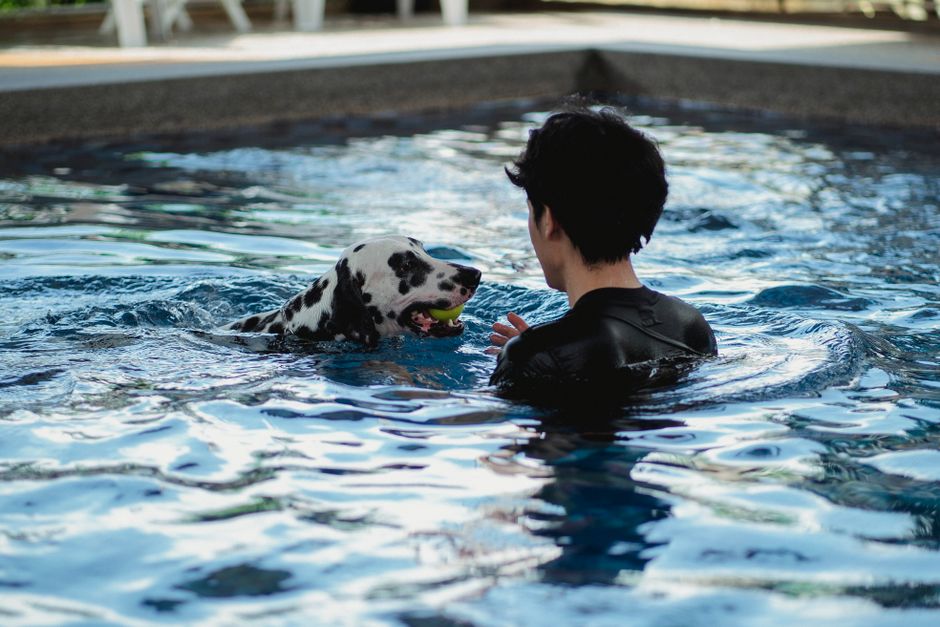
One of the most effective approaches for winter joint pain is underwater treadmill rehabilitation. The warmth and buoyancy of the water reduce strain on painful joints while encouraging movement and muscle engagement; pets can exercise without bearing their full body weight, which is especially helpful for those with arthritis or recovering from surgery. Many owners notice that their dog or cat moves more easily and with less discomfort after regular underwater treadmill sessions.
Laser therapy and PEMF therapy are additional modalities that decrease inflammation and support the natural healing process. These treatments are non-invasive, well tolerated by most pets, and can provide significant relief from chronic pain.
Manual therapy, including gentle stretching, massage, and joint mobilization, is another important tool in our rehabilitation programs. These techniques help increase circulation, reduce stiffness, and improve joint range of motion.
Our team also develops personalized therapeutic exercise programs that target strength, balance, and flexibility. These exercises are adjusted for each pet’s comfort level and specific needs, ensuring a safe and effective pathway back to activity, even in the face of winter’s challenges.
Winter Home Care Tips for Comfort and Mobility
While professional rehabilitation provides a strong foundation, there are many ways pet owners can help their dogs and cats stay comfortable at home during cold weather. Creating a warm, supportive environment is essential for managing joint pain and minimizing flare-ups.
Start by providing soft, orthopedic bedding in areas away from drafts or cold floors. Heated pet beds or blankets can offer additional comfort, especially for senior pets or those with arthritis. Make sure your pet’s favorite resting spots are easy to access without needing to jump or climb; consider pet stairs or ramps for furniture, and keep litter boxes or food bowls at a convenient level for cats.
Encourage gentle, regular movement throughout the day. Short, frequent walks for dogs, or interactive play sessions for cats, help maintain joint flexibility and prevent stiffness. Avoid strenuous activity on icy or slippery surfaces, as these can increase the risk of falls and injury.
Weight management is another critical aspect of joint health. Carrying excess weight puts added stress on joints, especially during cold spells when pets may be less active. Adjust your pet’s diet as needed, and consult your veterinary team for guidance on maintaining a healthy body condition.
Finally, monitor your pet’s response to cold weather closely. Sudden changes in mobility, reluctance to move, or vocalizing during movement are signs that additional support may be needed. If you notice these symptoms, it may be time to revisit your pet’s rehabilitation plan or seek further evaluation.
When to Seek Professional Rehabilitation for Your Pet
It is sometimes difficult to know whether your dog or cat’s winter stiffness is a normal response to the cold or a sign of something more serious. As a general rule, if your pet shows persistent lameness, refuses to bear weight on a limb, or experiences a sudden decline in mobility, prompt veterinary evaluation is recommended. Other warning signs include severe pain when touched, significant swelling, or loss of appetite.
For pets already diagnosed with arthritis or recovering from injury, worsening symptoms during the winter months are a clear indication that their current management plan may need to be adjusted. Professional rehabilitation at a specialty facility like Alpha Animal Rehab & Fitness can provide advanced therapies and expert guidance tailored to your pet’s specific needs.
Our veterinary professionals are skilled in identifying the underlying causes of mobility changes and creating targeted treatment plans using the latest evidence-based modalities. Whether your dog needs arthritis management or your cat requires rehabilitation and physical therapy, we are here to support you and your pet through every season.
If you are searching for a specialty rehab vet near me, choosing a practice with advanced rehabilitation services and a compassionate approach ensures your pet receives the highest level of care.
Supporting Your Pet’s Wellbeing All Winter Long
Caring for a dog or cat with joint pain during the colder months can feel overwhelming, but you do not have to manage it alone. At Alpha Animal Rehab & Fitness in West Caldwell, NJ, our veterinary rehabilitation team is committed to helping your pet move comfortably and enjoy life, no matter the season. By combining professional therapies such as laser therapy, manual techniques, and customized exercise plans, we address the unique challenges cold weather brings to joint pain management.
If you notice new or worsening symptoms in your pet this winter, or if you want to explore proactive ways to support their mobility, we encourage you to reach out. Schedule a consultation with our team by calling (908) 454-2273 or visiting our website to learn more about our comprehensive rehabilitation services. Whether your pet needs help for arthritis, recovery from injury, or simply a winter mobility boost, we are ready to help them thrive.
For the highest quality specialty rehab vet care near me, trust the team at Alpha Animal Rehab & Fitness to provide expert, compassionate support all winter and beyond.
This blog is intended for informational purposes only and does not replace professional veterinary advice. Please consult with a veterinarian for personalized recommendations regarding your pet’s health and mobility.