How to Help Your Dog Maintain Muscle Around the Joints

How to Help Your Dog Maintain Muscle Around the Joints
If you have ever wondered, "What should I know about helping a dog maintain muscle around the joints?"—especially as your dog faces the challenges of aging, injury, or a chronic condition—you are not alone. Many dog owners in West Caldwell and surrounding communities want to ensure their companions stay active, comfortable, and mobile, particularly as cooler November weather sets in. At Alpha Animal Rehab & Fitness, located at 975 Bloomfield Ave, Suite 1, West Caldwell, NJ 07006, our team of veterinary rehabilitation professionals specializes in helping dogs build and maintain the muscle strength needed to support healthy, pain-free joints. In this guide, we will explore how to recognize signs of muscle loss, understand the causes, and learn effective strategies—from therapeutic exercises to advanced rehabilitation therapies—to keep your dog moving strong all year long.
Recognizing When Your Dog Needs Help Maintaining Muscle Around the Joints
Understanding what should I know about helping a dog maintain muscle around the joints begins with identifying when your dog may be struggling. Muscle loss, also known as muscle atrophy, can affect dogs of any age, but it is especially common in senior dogs or those recovering from injury or surgery. Early intervention is key to preventing further mobility challenges.
Symptoms that may indicate your dog is experiencing muscle loss around the joints include noticing visible thinning or wasting of muscles along the hips, thighs, or shoulders. You might observe your dog having difficulty rising from a resting position, hesitating to climb stairs or jump onto furniture, or appearing stiff after periods of rest. Some dogs may favor one leg, limp, or struggle to maintain balance, especially on slippery surfaces. Additional red flags include decreased activity, reluctance to play, or an overall reduction in stamina during walks. If your dog seems to tire more easily or avoids movements that were once routine, these can be subtle signs that muscles supporting the joints are weakening.
Why Dogs Lose Muscle Around the Joints
There are several factors that contribute to muscle loss around your dog's joints, many of which are interconnected. Age is a frequent factor, as dogs naturally lose muscle mass and strength as they grow older. This process, known as sarcopenia, can be accelerated by reduced activity or underlying health conditions.
Chronic joint conditions, such as arthritis or hip dysplasia, often lead to pain that discourages movement. When a dog avoids using a limb or joint, the muscles around that area begin to weaken. In addition, recovery from surgery or injury can cause temporary but significant declines in muscle tone if the affected limb is not used regularly. Overweight dogs are also at risk; excess weight places additional strain on joints, leading to discomfort and decreased mobility, which can further encourage inactivity and muscle atrophy.
Other medical conditions, such as neurological disorders or metabolic diseases, may play a role in muscle loss. It is important to consult with a veterinary professional to determine the underlying cause, especially if muscle loss develops suddenly or is accompanied by other concerning symptoms. For dogs experiencing chronic pain or arthritis, arthritis management and rehabilitation can play a crucial role in maintaining comfort and mobility.
Professional Treatments to Support Canine Muscle and Joint Health
When considering what should I know about helping a dog maintain muscle around the joints, it is important to understand the specialized treatments available at a dedicated rehabilitation facility like Alpha Animal Rehab & Fitness. Our team develops individualized plans that combine advanced therapies with safe, targeted exercise to rebuild strength, protect joint health, and enhance your dog's quality of life.
Therapeutic Exercise
One of the most effective ways to rebuild muscle is through structured, supervised therapeutic exercise. These exercises are designed to target specific muscle groups and joint movements, ensuring your dog gains strength without risking further injury. Activities may include controlled walking over obstacles, gentle incline work, or targeted stretching and strengthening routines. Our therapeutic exercise services provide custom plans that address your dog's unique needs, whether they are recovering from surgery, managing arthritis, or simply working to stay strong as they age.
Underwater Treadmill Therapy
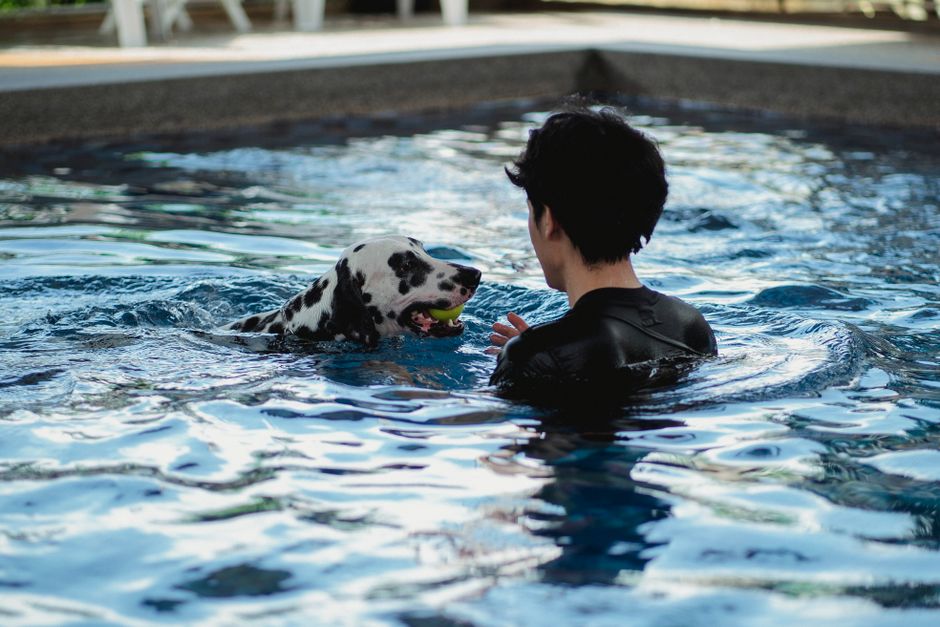
Hydrotherapy, specifically underwater treadmill sessions, offers a safe, low-impact environment for dogs to build muscle while minimizing joint stress. The buoyancy of water supports your dog's weight, allowing for greater range of motion and resistance, which helps develop muscle tone and endurance. Dogs recovering from orthopedic surgeries, suffering from arthritis, or dealing with neurologic conditions can greatly benefit from underwater treadmill rehabilitation, as it encourages movement without the pain associated with land-based exercise.
Laser Therapy, PEMF, and ESWT
Advanced modalities such as laser therapy, pulsed electromagnetic field (PEMF) therapy, and extracorporeal shockwave therapy (ESWT) can play a supportive role in joint and muscle health. These therapies are designed to reduce inflammation, improve circulation, and stimulate cellular repair, which aids in faster recovery and helps maintain healthy muscle tissue. Your dog's rehabilitation plan may include one or more of these treatments depending on their condition and response.
Manual Therapy and Massage
Manual therapies, including massage, passive range-of-motion exercises, and joint mobilizations, help relieve muscle tension, increase flexibility, and improve blood flow to affected areas. These techniques not only support the healing process but also provide comfort for dogs experiencing pain or stiffness. Our manual therapy services are tailored to each dog's tolerance and needs, ensuring a positive and effective experience.
Weight Management and Fitness
Maintaining an ideal body weight is vital for reducing joint strain and supporting muscle strength. Our weight management services focus on safe, gradual weight loss plans that incorporate dietary adjustments and regular physical activity. Additionally, our fitness services help dogs improve overall conditioning, endurance, and flexibility, which are all crucial for joint health.
At-Home Strategies to Help Your Dog Stay Strong
While professional therapies are highly effective, there are many things you can do at home to help your dog maintain muscle around the joints. Consistency and safety are key when implementing any at-home exercise or mobility plan.
Daily activity is essential; encourage gentle walks on even surfaces, gradually increasing distance as your dog builds stamina. Incorporate interactive play that promotes movement, such as gentle tug games or fetch with soft toys. Be mindful of your dog's limits and avoid high-impact activities like jumping or running on slippery floors. Simple exercises, such as sit-to-stand repetitions or slow, controlled stair climbing (if your veterinarian approves), can help strengthen the muscles supporting the hips and knees.
Environmental modifications can also make a significant difference. Provide supportive bedding, use ramps or steps to help your dog access furniture or vehicles, and keep frequently used areas free of obstacles. Non-slip rugs or mats can help prevent slips and falls, especially for older dogs or those with mobility challenges.
Nutrition plays a role as well; a balanced diet rich in high-quality protein supports muscle maintenance and repair. Always discuss dietary changes or supplement use with your veterinary team to ensure they are appropriate for your dog's health status.
When to Seek Professional Rehabilitation Care
Knowing when to seek the guidance of a veterinary rehabilitation professional is a crucial part of what should I know about helping a dog maintain muscle around the joints. If you notice persistent signs of muscle loss, ongoing lameness, or your dog appears to be in pain when moving, it is time to schedule an evaluation. Early intervention can prevent further muscle wasting and help improve your dog's mobility and comfort.
Dogs recovering from surgery, managing chronic joint conditions, or experiencing sudden changes in activity level are ideal candidates for specialized rehabilitation. If your dog is struggling despite your best efforts at home, or you are unsure how to safely increase their activity, professional support can make a significant difference. Our team in West Caldwell is committed to working with you and your primary care veterinarian to develop a comprehensive, individualized plan that meets your dog's unique needs.
Why Choose Alpha Animal Rehab & Fitness for Your Dog's Muscle and Joint Health?
At Alpha Animal Rehab & Fitness, our exclusive focus on physical rehabilitation for dogs and cats means you have access to the most advanced, evidence-based therapies available in the West Caldwell area. Our veterinary rehabilitation professionals understand the importance of maintaining muscle strength around your dog's joints—not only for mobility, but for overall quality of life. Whether your dog is aging, recovering from surgery, or facing a chronic condition, our team provides compassionate, expert care every step of the way.
Take the First Step Toward Stronger Joints for Your Dog
Helping your dog maintain muscle around the joints is one of the most important things you can do to support their comfort and independence, especially during the colder months in West Caldwell and surrounding communities. If you have been asking yourself, "What should I know about helping a dog maintain muscle around the joints?"—our veterinary rehabilitation team at Alpha Animal Rehab & Fitness is here to help. From therapeutic exercise and underwater treadmill therapy to manual therapy and personalized fitness plans, we offer a full range of services to keep your dog moving strong.
If you are searching for a rehabilitation vet near me, trust our dedicated team to guide you and your dog on the path to better joint health. To schedule a consultation or learn more about our services, call us at (908) 454-2273 or visit us at 975 Bloomfield Ave, Suite 1, West Caldwell, NJ 07006. Together, we can help your dog regain strength, enjoy greater mobility, and live a happier, more active life.
This blog is intended for informational purposes only and should not replace professional veterinary advice. Always consult with your veterinarian or a qualified veterinary rehabilitation professional for individualized recommendations.