Underwater Treadmill for Dogs: How Hydrotherapy Boosts Recovery

Underwater Treadmill for Dogs: How Hydrotherapy Boosts Recovery
If your dog is struggling with mobility after surgery, injury, or arthritis, you may be searching for effective ways to help them heal and regain their active lifestyle. The underwater treadmill for dogs has become an increasingly popular and proven therapy, offering gentle yet powerful support for recovery. At Alpha Animal Rehab & Fitness, located at 975 Bloomfield Ave, Suite 1, West Caldwell, NJ 07006, our veterinary rehabilitation professionals specialize in canine hydrotherapy and physical therapy services designed exclusively for dogs and cats. In this blog, we will explore how the underwater treadmill for dogs works, which conditions benefit most, what to expect during your dog’s sessions, and why this therapy is especially valuable during the cooler October months in West Caldwell and surrounding communities. We will also cover safety considerations, how hydrotherapy fits into a comprehensive recovery plan, and what makes the Alpha Animal Rehab & Fitness approach unique.
Recognizing When Your Dog Might Need Hydrotherapy
You may wonder if your dog’s stiffness, reluctance to play, or visible discomfort are simply part of aging, or if there is a way to help them move more freely and with less pain. Common signs that your dog might benefit from the underwater treadmill include visible limping, difficulty rising after rest, reluctance to climb stairs or jump, changes in gait, and overall reduced enthusiasm for daily walks. Dogs recovering from orthopedic surgery, such as a cranial cruciate ligament (CCL) repair, or those with chronic conditions like arthritis or hip dysplasia, often display these symptoms. Other indications can include muscle loss, weight gain due to inactivity, or sudden changes in behavior related to movement. If you notice your dog hesitating to go on walks they once loved, or struggling after routine play, it may be time to consider professional rehabilitation therapies. The early fall can also bring on increased stiffness due to cooler weather, which is often when these symptoms become more noticeable. Our veterinary team at Alpha Animal Rehab & Fitness regularly sees dogs from West Caldwell and surrounding communities who experience these very challenges.
Understanding the Underwater Treadmill for Dogs
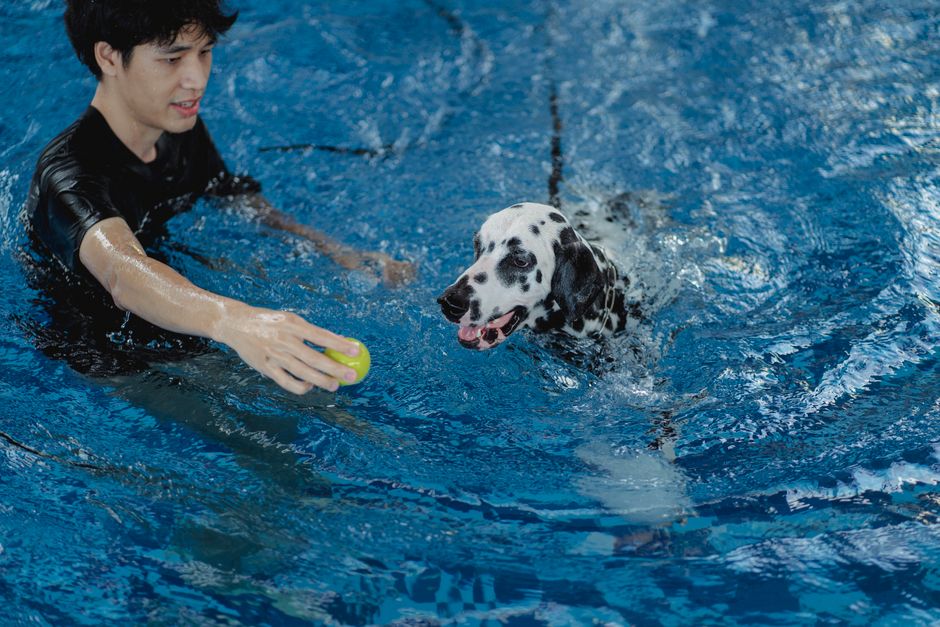
Hydrotherapy using an underwater treadmill is not simply a trend; it is a well-established, evidence-based approach to canine rehabilitation. The basic principle combines the therapeutic benefits of warm water with gentle, controlled exercise. The underwater treadmill for dogs provides buoyancy, which reduces the impact on joints and allows dogs to exercise with less pain and greater freedom of movement. As your dog walks on the treadmill, the water’s resistance helps build muscle strength, improve range of motion, and enhance cardiovascular fitness. The temperature of the water is carefully regulated, providing soothing warmth that helps relax stiff muscles and increase circulation, which is especially appreciated during chilly October days. The ability to precisely control water depth and treadmill speed means each session can be tailored to your dog’s specific needs, whether they are recovering from a recent surgery, managing a chronic condition, or working to regain strength after a long period of inactivity. You can learn more about the details of underwater treadmill rehabilitation on our website.
Why Water Makes a Difference
The unique advantage of hydrotherapy lies in the properties of water. Buoyancy supports your dog’s weight, making movement less painful for sore joints or healing tissues. Resistance provides a gentle yet effective challenge to muscles, encouraging rebuilding without the risk of overexertion or injury. Warmth soothes aches and helps increase flexibility. This combination enables dogs to achieve more in a session with less discomfort than traditional dry land exercise, making the underwater treadmill for dogs one of the most effective tools in modern veterinary rehabilitation.
Common Conditions That Benefit from Hydrotherapy
Many orthopedic and neurological conditions can benefit from underwater treadmill therapy. Dogs recovering from CCL tears, hip dysplasia, intervertebral disc disease (IVDD), or post-operative orthopedic procedures often experience accelerated rehabilitation when hydrotherapy is included in their care plan. For example, a dog recovering from a CCL tear can begin gentle movement earlier with water support, reducing muscle loss and improving joint health. Dogs with arthritis benefit from the reduced impact and increased flexibility provided by water-based exercise, which can lead to improved comfort and mobility. Neurological cases, such as IVDD, often see improvements in coordination and strength due to the supportive environment the water provides. Senior dogs, who may be struggling with general mobility due to age-related muscle loss, also enjoy renewed vigor and confidence as they rebuild strength in a safe setting. You can explore specific rehabilitation approaches for CCL tear recovery, hip dysplasia management, and arthritis management to understand how hydrotherapy fits into each scenario.
Age Is Not a Barrier
Hydrotherapy is suitable for dogs of all ages, from young dogs recovering from injury to aging companions who just need a little extra support to stay active. The individualization of each session ensures that puppies, adults, and seniors alike can benefit safely from the underwater treadmill.
What to Expect During Your Dog’s Underwater Treadmill Session
Your dog’s first session at Alpha Animal Rehab & Fitness begins with a thorough evaluation by our veterinary rehabilitation professionals. We discuss your dog’s medical history, current mobility, and your goals for their recovery. Once a personalized plan is created, your dog is gently introduced to the underwater treadmill in a calm, supportive environment. Many dogs are initially curious or even hesitant, but most quickly become comfortable with the process thanks to the soothing warmth of the water and the gentle encouragement from our experienced team.
During the session, your dog will walk at a controlled pace while the water level is adjusted to provide optimal buoyancy and resistance. The temperature is kept comfortable to enhance relaxation and circulation. Our rehabilitation professionals closely monitor your dog’s gait, strength, and endurance throughout the session, making real-time adjustments as needed. Sessions typically last 20 to 30 minutes, with the exact duration and intensity tailored to your dog’s needs and progress. Over time, you may notice your dog’s confidence growing, their movement becoming smoother, and their overall energy and happiness returning.
Safety, Comfort, and Progress
Safety is always the top priority during hydrotherapy. Dogs are never left unattended, and all equipment is sanitized between sessions. We work closely with your primary care veterinarian to ensure seamless communication and the best possible outcome for your dog. Whether your dog is recovering from surgery or managing a lifelong condition, our goal is to make every session positive and rewarding.
Integrating Hydrotherapy into a Comprehensive Rehabilitation Plan
At Alpha Animal Rehab & Fitness, we believe that optimal recovery is achieved through a combination of advanced therapies and individualized care. The underwater treadmill for dogs is often part of a broader plan that may include therapeutic exercise, manual therapy, laser therapy, and other modalities. Our veterinary rehabilitation professionals design each program based on your dog’s diagnosis, personality, and lifestyle, ensuring that all therapies work together for the best results.
For example, a dog with arthritis might start with underwater treadmill sessions to improve mobility and reduce discomfort, then progress to land-based exercises to build further strength and flexibility. Dogs recovering from orthopedic surgery often benefit from a combination of hydrotherapy and manual therapy to restore normal gait and prevent compensatory injuries. Senior dogs may receive a blend of gentle hydrotherapy and targeted conditioning to maintain independence and quality of life. You can find more information about senior dog care and conditioning and how it fits into a holistic approach on our website.
The Importance of Consistency
Consistent, ongoing therapy is key for sustainable progress. Our team will guide you through the recommended frequency and duration of sessions, monitor your dog’s improvement, and adjust the care plan as milestones are reached. We also provide education and support so you can reinforce your dog’s rehabilitation journey at home.
Home Care Tips to Support Your Dog’s Recovery
While the underwater treadmill is a cornerstone of professional rehabilitation, there are important steps you can take at home to support your dog’s healing. Encourage gentle, low-impact activity such as short leash walks or controlled indoor play, always based on your veterinary team’s recommendations. Provide a warm, comfortable resting area away from drafts or slippery surfaces, especially during the cooler autumn months. Maintain a healthy diet to support muscle rebuilding; your veterinary team can offer guidance on weight management if needed. Use ramps or pet stairs to help your dog avoid unnecessary jumping that could stress healing joints. Monitor your dog for any changes in mobility, comfort, or enthusiasm for activity, and communicate these updates to your rehabilitation team. Remember, never attempt at-home hydrotherapy without professional supervision, as improper technique or unsafe water environments can lead to injury.
When to Seek Veterinary Rehabilitation
If your dog is showing persistent signs of pain, such as limping, difficulty rising, or loss of interest in daily activities, it is important to seek professional evaluation. Dogs recovering from orthopedic or neurological surgery, or those with progressive mobility issues, typically benefit from early intervention with rehabilitation services. Sudden changes in your dog’s ability to move, signs of severe pain, or lack of improvement with rest are indicators that you should contact your veterinarian or a rehabilitation specialist promptly. At Alpha Animal Rehab & Fitness, our team works closely with your primary care veterinarian to ensure a seamless transition into specialty care. We encourage you to reach out if you are unsure whether hydrotherapy is appropriate; our veterinary professionals are happy to answer questions and help you determine the best approach for your dog’s unique needs.
Why Choose Alpha Animal Rehab & Fitness for Canine Hydrotherapy in West Caldwell?
Choosing a specialty rehabilitation center means entrusting your dog’s recovery to professionals with advanced training and a passion for improving animal quality of life. At Alpha Animal Rehab & Fitness, our veterinary rehabilitation team combines expertise, compassion, and state-of-the-art equipment to deliver exceptional results. Our facility in West Caldwell is designed exclusively for dogs and cats, with a focus on safety, comfort, and individualized care. We are proud to serve West Caldwell and the surrounding communities, bringing hope and healing to pets and their families.
Take the Next Step: Schedule Hydrotherapy for Your Dog
If you’re searching for an underwater treadmill for dogs near me, Alpha Animal Rehab & Fitness is your trusted resource for canine rehabilitation in West Caldwell and the surrounding area. Our compassionate veterinary rehabilitation professionals are ready to help your dog move more comfortably and confidently. To learn more about our underwater treadmill rehabilitation, schedule a consultation, or discuss your dog’s specific needs, please reach out by calling (908) 454-2273 or visiting our West Caldwell location. Your dog’s comfort, mobility, and happiness are always our top priorities. Let us help your canine companion rediscover the joy of movement with the support of advanced hydrotherapy and a dedicated veterinary team.
This blog is intended for informational purposes only and should not be considered a substitute for professional veterinary advice. Always consult with your veterinarian or a certified rehabilitation professional regarding your dog’s individual needs and circumstances.