Therapy for Dogs With Hip Dysplasia: Rehab Solutions Explained

Therapy for Dogs With Hip Dysplasia: Rehab Solutions Explained
If you have noticed your dog slowing down, struggling to rise, or hesitating to jump, you are not alone. Many pet owners in West Caldwell and surrounding communities face the challenge of caring for dogs with joint conditions like hip dysplasia. This common orthopedic issue can deeply impact your dog's happiness and mobility, but specialized therapy for dogs with hip dysplasia offers new hope. At Alpha Animal Rehab & Fitness, located at 975 Bloomfield Ave, Suite 1, West Caldwell, NJ 07006, our team of veterinary rehabilitation professionals is dedicated to helping dogs regain comfort and function with advanced physical therapy and individual care plans. This blog will guide you through the signs of hip dysplasia, why it occurs, and the specialized rehab solutions available to your dog. We will also explain what you can do at home, when to seek professional help, and how our expertise makes a difference for your beloved companion.
Recognizing Hip Dysplasia in Dogs
Understanding the signs of hip dysplasia is the first step in helping your dog find relief. Dogs with hip dysplasia often display symptoms such as stiffness after rest, a noticeable limp, reluctance to rise or climb stairs, and a "bunny-hopping" gait when running. Some dogs may show changes in behavior, appearing less playful or withdrawing from activities they once enjoyed. You might also notice muscle loss in the hind limbs or discomfort when the hips are touched. While these signs can develop gradually, it's important to recognize them early, as timely therapy for dogs with hip dysplasia can make a significant impact on their comfort and long-term mobility. If you are concerned your dog might have hip dysplasia, our veterinary team is here to help assess their mobility and recommend next steps.
What Causes Hip Dysplasia in Dogs?
Hip dysplasia is a developmental condition where the hip joint fails to form properly. Instead of a smooth, well-fitting ball-and-socket structure, the joint becomes loose, leading to abnormal wear and, eventually, arthritis. Genetics play a major role, with certain breeds like German Shepherds, Labradors, and Golden Retrievers at increased risk. However, factors such as rapid growth, excess weight, poor diet, and high-impact activity during puppyhood can also contribute. Over time, the instability in the hip joint leads to pain, inflammation, and decreased range of motion. Learning more about hip dysplasia in dogs and related treatment options can help you understand why early intervention is so beneficial.
Specialized Therapy for Dogs With Hip Dysplasia
Not all dogs with hip dysplasia require surgery. In fact, a comprehensive rehabilitation approach can dramatically improve many dogs' quality of life. At Alpha Animal Rehab & Fitness, our therapy for dogs with hip dysplasia combines advanced techniques and tailored exercise plans to address each dog's unique needs.
Canine Physical Therapy and Individualized Plans
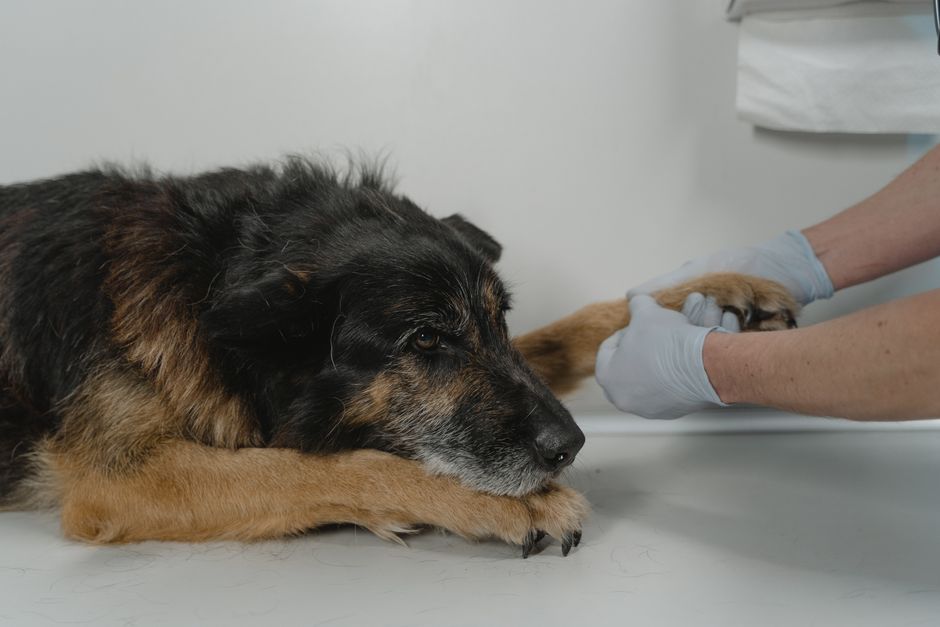
Our veterinary rehabilitation professionals begin with a thorough assessment to determine your dog's current mobility, pain level, and functional goals. Based on these findings, we design a personalized therapy plan that may include therapeutic exercises, manual techniques, and pain management strategies. Therapeutic exercise programs are crafted to strengthen supporting muscles, improve joint stability, and restore flexibility. You can learn more about our therapeutic exercise programs for rehabilitation and physical therapy in dogs, which play a key role in helping dogs with hip dysplasia move more comfortably.
Underwater Treadmill Therapy
One of the most effective modalities we offer is underwater treadmill therapy. The buoyancy of water supports your dog's weight, reducing stress on sore joints while allowing safe, controlled movement. This environment encourages muscle development, improves cardiovascular health, and increases range of motion without exacerbating pain. Many pet owners are amazed at the progress their dogs make during these sessions, gradually regaining strength and confidence.
Laser Therapy and Manual Techniques
Pain and inflammation are major challenges for dogs with hip dysplasia. Our practice utilizes laser therapy and infrared technology for pain management and healing in pets to accelerate tissue repair and reduce discomfort. Manual therapy techniques, such as gentle joint mobilization and targeted massage, can also ease stiffness and improve circulation. For more details on how these hands-on therapies benefit dogs in recovery, explore our manual therapy services for improving pet mobility and recovery. Each session is adapted to your dog's tolerance and progress, ensuring a safe and positive experience.
Mobility Aids and Support
Some dogs with advanced hip dysplasia benefit from assistive devices to maintain independence. Our practice offers guidance on carts, harnesses, and braces to assist dogs with mobility challenges. These tools can help your dog navigate stairs, go for walks, or simply rise from a resting position with greater ease. Our veterinary team will assess which options are best suited to your dog's size, lifestyle, and specific challenges.
Home Care and Preventive Tips for Hip Dysplasia
Supporting your dog at home is vital for their ongoing comfort and progress. Simple steps like providing a soft, non-slip surface for walking and resting can prevent slips and further injury. Maintaining a healthy weight helps reduce stress on the hips, while gentle daily exercise—such as leash walks or low-impact play—keeps joints flexible. Avoiding activities that involve jumping or sudden twisting will help protect fragile joints. If your dog is on a rehabilitation program, following the prescribed exercises and routines is key to successful outcomes. Offering a cozy bed, ramps to favorite spots, and regular opportunities for movement will enhance your dog's well-being. Always monitor for changes in mobility or pain and communicate any concerns to your veterinary rehabilitation team promptly.
When to Seek Veterinary Rehabilitation for Hip Dysplasia
If you notice your dog showing signs of discomfort, reluctance to move, or a decline in activity, it's important to consult a veterinary professional with expertise in canine rehabilitation. Dogs who are not responding to basic home care, whose symptoms worsen, or who develop new signs such as dragging limbs or vocalizing in pain, should be evaluated promptly. Early intervention with therapy for dogs with hip dysplasia can slow the progression of joint damage and help preserve mobility for as long as possible. At Alpha Animal Rehab & Fitness, our veterinary rehabilitation professionals work closely with your regular veterinarian, providing specialized care that addresses the unique needs of your dog. Whether your dog is newly diagnosed or has been managing hip dysplasia for some time, we can help create a path toward greater comfort and activity.
Why Choose Alpha Animal Rehab & Fitness for Hip Dysplasia Therapy?
As a dedicated veterinary rehabilitation facility in West Caldwell, Alpha Animal Rehab & Fitness stands out for its commitment to advanced, compassionate care for dogs and cats experiencing mobility challenges. Our team is highly trained in the latest physical therapy modalities, offering a wide range of solutions tailored to each animal's condition. We collaborate with referring veterinarians throughout West Caldwell and surrounding communities, ensuring seamless, comprehensive support for your companion. By focusing on non-surgical management and holistic wellness, we help your dog achieve their fullest potential—whether that means returning to play, enjoying longer walks, or simply finding comfort in daily life.
Take the Next Step for Your Dog's Mobility
Hip dysplasia does not have to mean the end of your dog's active, joyful days. With advances in therapy for dogs with hip dysplasia, many dogs experience dramatic improvements in comfort and function. If you are searching for a rehabilitation vet near me who truly understands your dog's needs, look no further than our caring team here at Alpha Animal Rehab & Fitness. We invite you to schedule a consultation and learn how our canine physical therapy and rehabilitation solutions can help your dog live their best life. Our veterinary rehabilitation professionals are ready to answer your questions, design a custom plan, and support you every step of the way. Contact us today at (908) 454-2273 or visit us at 975 Bloomfield Ave, Suite 1, West Caldwell, NJ 07006 to discover how we can make a difference for your companion. Your dog deserves the best care, and we are here to provide it.