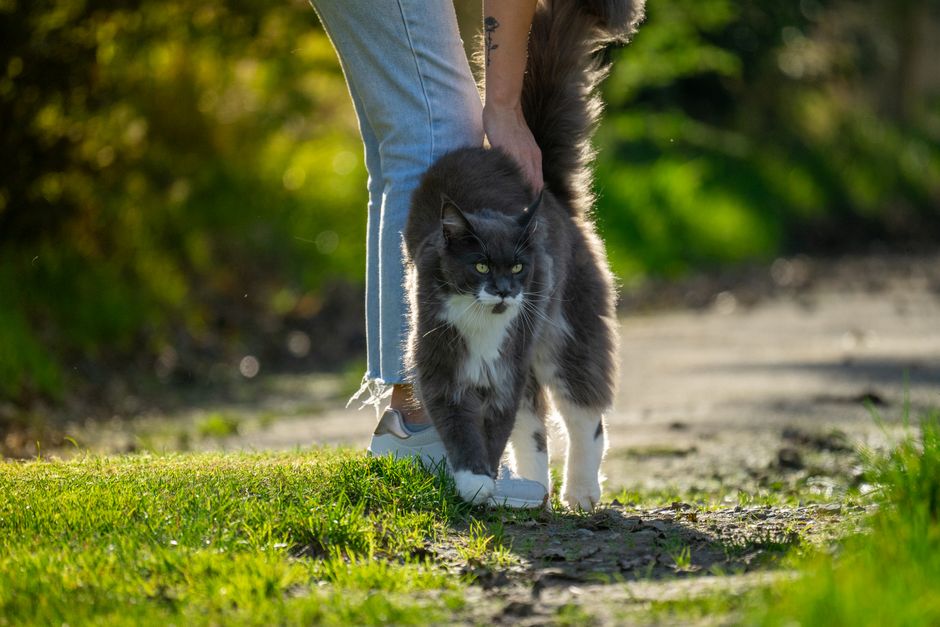
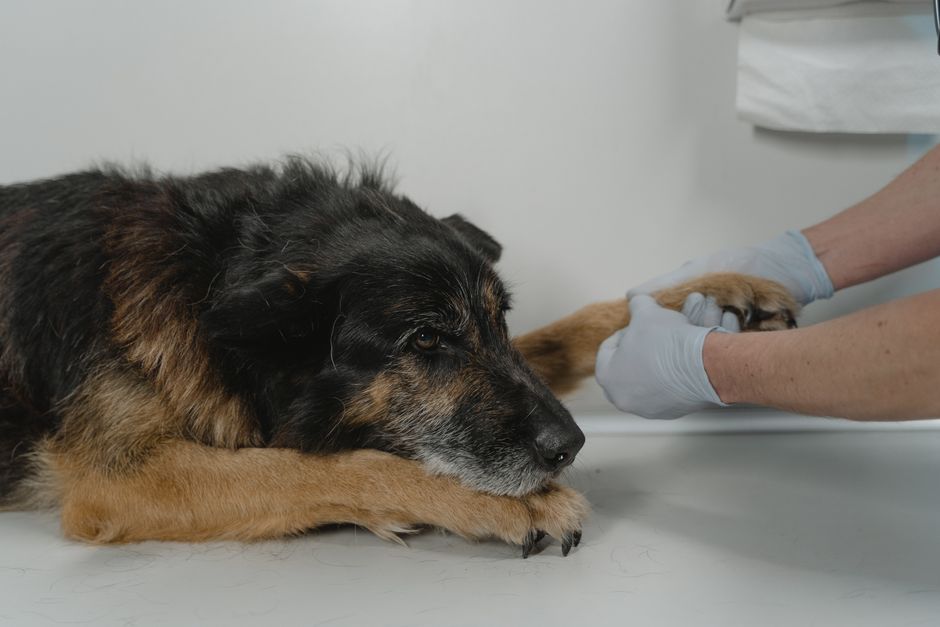
Rehabilitation for Senior Cats: Boosting Mobility and Comfort

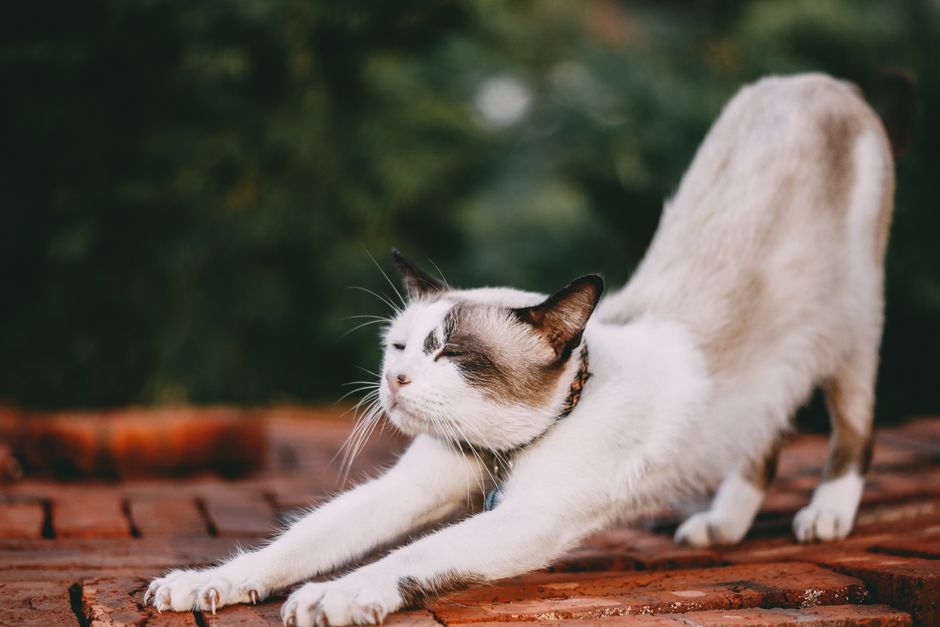
Rehabilitation for Senior Cats: Boosting Mobility and Comfort
As cats age, you may notice subtle changes in their movements and daily routines. Perhaps your once-agile feline is now hesitant to jump onto the bed, spends more time sleeping, or seems uncomfortable when grooming. These shifts can leave many cat owners in West Caldwell and surrounding communities wondering how best to support their senior companion’s comfort and independence. At Alpha Animal Rehab & Fitness, located at 975 Bloomfield Ave, Suite 1, West Caldwell, NJ 07006, we specialize in feline physical rehabilitation designed to enhance mobility, reduce pain, and improve overall quality of life for senior cats. This blog will guide you through recognizing the signs of mobility issues in aging cats, understanding why these changes occur, exploring non-invasive therapy options, and learning how to best support your cat at home. If you are searching for compassionate, evidence-based cat rehabilitation services in the West Caldwell area, our veterinary rehabilitation team is here to help.
Recognizing Mobility Challenges in Senior Cats
Cats are experts at masking discomfort, so early signs of mobility issues can be subtle. Owners may observe that their cat is less willing to play, struggles to climb stairs, or hesitates before jumping onto favorite perches. Additional symptoms include changes in grooming habits such as matted fur along the back or hips, decreased interest in interacting with family members, or difficulty accessing the litter box. Some cats may vocalize more frequently, particularly when attempting to move or change positions. Other warning signs are a stiff gait, reluctance to be picked up, or episodes of hiding more than usual. Recognizing these subtle shifts is the first step in addressing your cat’s unique needs as they age.
Why Do Senior Cats Lose Mobility?
Aging cats can experience reduced mobility for several interconnected reasons. The most common underlying factor is osteoarthritis, a degenerative joint disease that affects an estimated 90 percent of cats over the age of twelve. Arthritis causes joint pain, inflammation, and stiffness, making previously simple movements uncomfortable or even painful. In addition to arthritis, muscle loss (sarcopenia) contributes to weakness and reduced stability. Neurological conditions, previous injuries, and obesity can further complicate mobility for older cats. The natural aging process also affects balance and coordination, increasing the risk of slips and falls, especially on slippery surfaces. Environmental factors, such as high perches or inaccessible litter boxes, may further discourage movement, creating a cycle that can worsen joint and muscle health over time.
Feline Rehabilitation: Professional Treatment Options That Make a Difference
Specialized feline rehabilitation is designed to address the unique challenges senior cats face by combining advanced veterinary therapies with a gentle, personalized approach. At Alpha Animal Rehab & Fitness, our feline physical therapy programs focus on improving mobility, reducing pain, and supporting healthy aging. Treatment approaches involve a variety of evidence-based modalities, each tailored to your cat’s individual needs.
One of the most effective tools in feline rehabilitation is therapeutic exercise. Our veterinary team develops custom exercise plans that help increase strength, flexibility, and joint range of motion without overwhelming your cat. Sessions may include guided stretching, controlled movement exercises, and gentle balance work—all carefully supervised to ensure your cat’s safety and comfort. You can learn more about these custom exercise plans by visiting our therapeutic exercise for pets page.
Manual therapy is another cornerstone of feline rehabilitation. This hands-on technique helps release muscle tension, improve tissue flexibility, and alleviate discomfort. Our veterinary professionals use gentle, cat-friendly methods to encourage relaxation and restore normal movement patterns. More information about these techniques can be found on our manual therapy for pets page.
For senior cats experiencing significant pain or inflammation, advanced modalities such as laser therapy can offer additional relief. Laser and infrared technology work by decreasing inflammation and promoting cellular healing, often resulting in improved comfort and mobility even after a single session. Details about how this technology benefits cats are available on our laser therapy services page.
Other available therapies include pulsed electromagnetic field therapy (PEMF), which helps stimulate circulation and tissue healing, and the use of assistive devices such as supportive harnesses for cats who need extra help getting around. Our rehabilitation team evaluates each cat’s medical history, current health, and lifestyle to develop a comprehensive treatment plan that may incorporate one or several of these modalities.
Supporting Your Senior Cat at Home: Prevention and Daily Care
While professional rehabilitation lays the foundation for improved mobility, daily life at home plays a vital role in your cat’s ongoing comfort. Steps you can take include providing easy access to food, water, and litter boxes on each level of your home to reduce the need for stairs. Consider using ramps or sturdy steps to help your cat reach favorite windowsills or beds. Soft bedding in low, accessible spots encourages restful sleep and reduces pressure on sore joints.
Environmental modifications such as non-slip mats on slippery floors and regular grooming sessions can help your cat maintain hygiene and prevent matting in hard-to-reach areas. Encouraging gentle, regular play sessions—using toys that stimulate movement without requiring jumping—also helps support muscle tone and joint health. Weight management is another critical component, as excess weight places additional stress on aging joints; your veterinarian can recommend a nutrition and activity plan tailored to your cat’s needs.
It is important to monitor for any changes in your cat’s behavior, appetite, or movement patterns. Early intervention leads to better outcomes, so maintain open communication with your veterinary team and keep records of any new or worsening symptoms.
When to Seek Professional Rehabilitation for Your Cat
Not every senior cat will require intensive rehabilitation, but certain signs should prompt a veterinary evaluation. If your cat is consistently reluctant to move, displays noticeable pain when touched, has persistent difficulty using the litter box, or shows a sudden decline in activity, professional assessment is recommended. Cats who have recently undergone surgery, experienced trauma, or have been diagnosed with arthritis, neurological conditions, or obesity may benefit greatly from a structured rehabilitation program.
Alpha Animal Rehab & Fitness specializes in working closely with your primary veterinarian to create a seamless referral process. Our veterinary rehabilitation team is skilled in developing customized plans that address both acute injuries and chronic conditions, helping your cat regain comfort and independence. If you are unsure whether rehabilitation is right for your cat, we invite you to explore our cat rehabilitation and physical therapy services for more detailed information, or contact us for guidance.
The Value of Specialized Feline Rehabilitation: Improving Quality of Life
Feline rehabilitation is about more than just treating symptoms; it focuses on restoring and maintaining your cat’s ability to enjoy daily life. The right combination of therapies can lead to increased energy, improved joint comfort, and renewed enthusiasm for favorite activities. Many cat owners are surprised to see their senior companion regain the ability to climb, play, and interact more confidently after just a few sessions. Our veterinary professionals understand the unique needs and personalities of cats, creating a calm and positive experience that supports both physical and emotional well-being.
Choosing a specialty facility like Alpha Animal Rehab & Fitness ensures your cat receives care from experienced veterinary professionals who are dedicated to evidence-based rehabilitation. Our facility in West Caldwell is equipped with cat-friendly spaces, advanced therapeutic equipment, and a team that values communication and education for every client.
Take the Next Step Toward Comfort and Mobility for Your Senior Cat
Aging does not have to mean discomfort or isolation for your cat. With the right support, senior cats can remain active, comfortable, and engaged well into their golden years. If you have noticed changes in your cat’s mobility or are concerned about chronic pain, we encourage you to reach out to our veterinary rehabilitation team at Alpha Animal Rehab & Fitness. You can call us at (908) 454-2273 to schedule a consultation or visit our cat rehabilitation and physical therapy page to learn more about our approach.
For those searching for a rehabilitation vet near me, our specialty facility in West Caldwell provides trusted, compassionate care for cats throughout the area. Every cat deserves the opportunity to move with ease and comfort, and our veterinary professionals are committed to making that a reality for your feline companion.
If you ever notice sudden changes or significant pain in your cat, do not delay in contacting your veterinarian, as prompt attention can make all the difference. For ongoing support and specialized rehabilitation services, Alpha Animal Rehab & Fitness is here to help your cat thrive at every stage of life.