Therapy for Dogs With Hip Dysplasia: Rehab Options Explained

Therapy for Dogs With Hip Dysplasia: Rehab Options Explained
If your dog is struggling to get up, hesitates on walks, or seems uncomfortable climbing stairs, you are not alone. Hip dysplasia is a common orthopedic condition in dogs that can significantly impact mobility and overall happiness. Thankfully, advances in physical rehabilitation offer non-invasive, highly effective solutions for managing this challenging condition. At Alpha Animal Rehab & Fitness, conveniently located at 975 Bloomfield Ave, Suite 1, West Caldwell, NJ 07006, we specialize in therapy for dogs with hip dysplasia. Our goal is to restore your dog's mobility, reduce pain, and help them enjoy life to the fullest—no surgery required. In this comprehensive guide, we will explain how to recognize signs of hip dysplasia, discuss why it develops, and explore the full range of rehabilitation options available at our facility for dogs in West Caldwell and surrounding communities. You will also learn when to seek professional care and how our veterinary rehabilitation team can support your dog's journey to improved comfort and independence.
Recognizing Hip Dysplasia in Dogs: What Should You Watch For?
Dogs with hip dysplasia often show subtle changes in their movement or behavior before more obvious symptoms appear. Early detection is key to preventing further discomfort and promoting better outcomes with rehabilitation. Key symptoms of hip dysplasia include stiffness when getting up after rest, reluctance to jump or climb stairs, and a noticeable sway or bunny-hopping gait when running. Some dogs develop muscle loss in their hind legs, while others may become less interested in play or exercise due to discomfort. In more advanced cases, you may notice your dog favoring one leg, vocalizing in pain during certain activities, or even experiencing reduced appetite due to chronic pain.
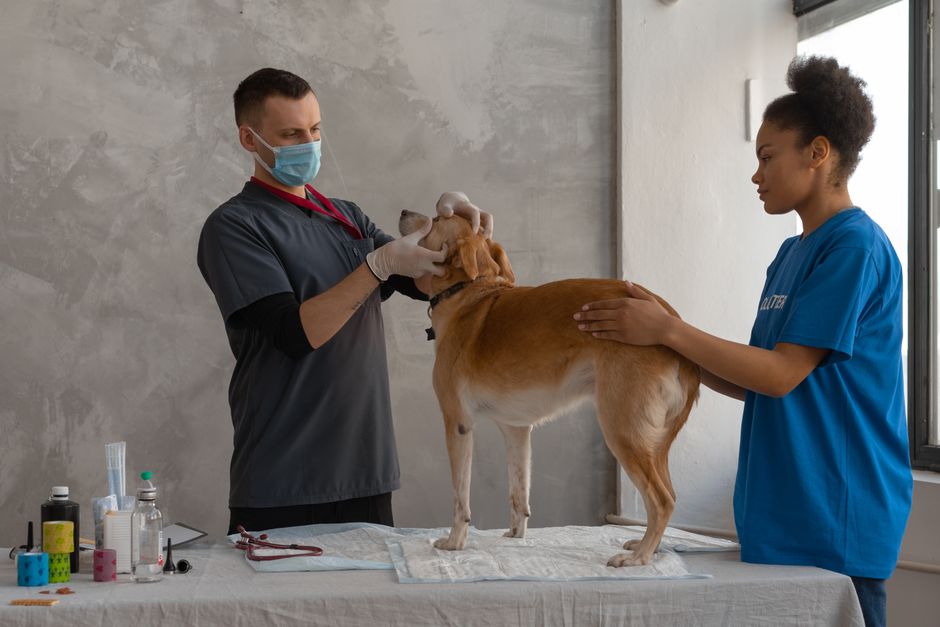
Dogs of any age can be affected, but symptoms often become more pronounced as they mature, especially in larger breeds. If you observe these changes in your dog, it is important to seek a professional evaluation early. Our rehabilitation team uses a combination of physical assessment and advanced diagnostic tools to determine the extent of hip dysplasia and recommend the most appropriate therapy plan.
Understanding Canine Hip Dysplasia: Causes and Contributing Factors
Hip dysplasia is a developmental disorder that affects the ball-and-socket joint of the hip. In dogs with this condition, the joint does not form properly, resulting in looseness, instability, and eventually, painful arthritis. Genetics play a significant role, with certain breeds—such as German Shepherds, Labradors, and Golden Retrievers—being more susceptible. However, hip dysplasia can occur in any breed, including mixed breeds and smaller dogs.
Beyond genetics, environmental and lifestyle factors can influence the severity and onset of symptoms. Rapid growth in puppyhood, improper nutrition, excessive weight, and high-impact activities during early development can all contribute to joint stress. In some cases, injuries or trauma may accelerate joint degeneration, leading to earlier signs of discomfort. Understanding the multifactorial nature of hip dysplasia helps us design comprehensive, individualized therapy programs that address not just the joint but your dog's overall health and lifestyle.
Rehabilitation and Therapy for Dogs With Hip Dysplasia
When it comes to therapy for dogs with hip dysplasia, non-invasive rehabilitation is now considered a gold standard for improving mobility and quality of life. At Alpha Animal Rehab & Fitness, we offer a range of advanced therapies that are tailored to your dog's unique needs. Our approach emphasizes pain reduction, strengthening of supporting muscles, and increasing joint flexibility—all without the risks or downtime associated with surgery.
Underwater Treadmill Therapy
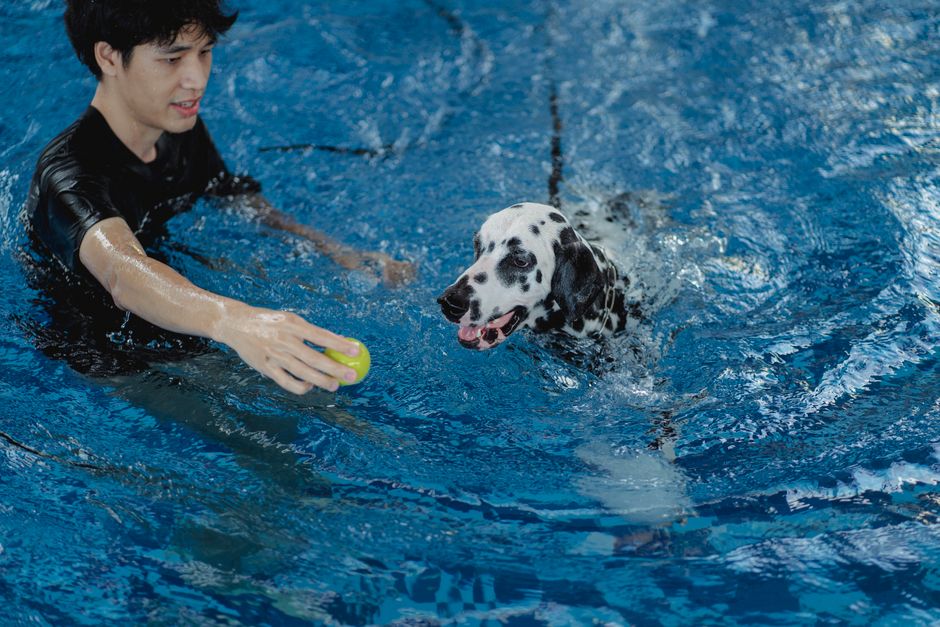
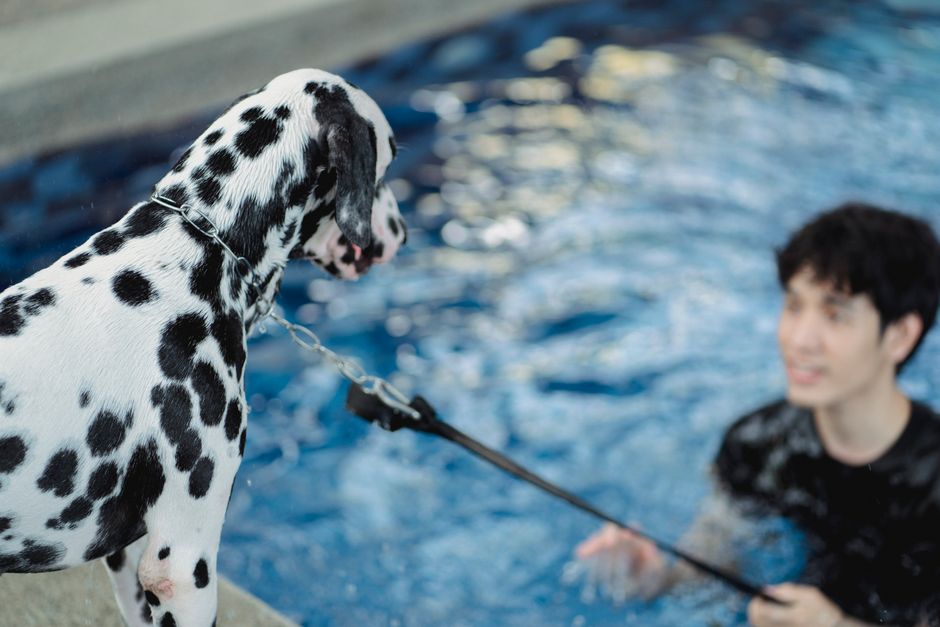
One of the most effective modalities for dogs with hip dysplasia is underwater treadmill therapy. This treatment uses the buoyancy and resistance of water to enable gentle, low-impact exercise. Dogs can walk or jog in the treadmill without bearing their full body weight, which reduces joint stress while safely building muscle strength and improving range of motion. Many owners notice their dogs moving more comfortably and confidently after just a few sessions. You can explore more about this modality on our page about underwater treadmill rehabilitation for pets.
Laser Therapy for Pain and Inflammation
Laser therapy uses targeted light energy to stimulate cellular repair, reduce inflammation, and relieve pain. This non-invasive treatment is ideal for managing chronic discomfort associated with hip dysplasia and can be combined with other therapies for synergistic effects. Our veterinary professionals use advanced laser and infrared technology to deliver precise, comfortable treatments that many dogs find relaxing. For a deeper look at this service, visit our page on laser and infrared therapy for pain management in pets.
Manual Therapy and Therapeutic Exercise
Hands-on techniques such as manual therapy are essential for maintaining joint mobility and reducing muscle tension. Our team of certified rehabilitation practitioners employs gentle stretching, massage, and mobilization techniques to keep your dog's hips and spine flexible. In addition, individualized therapeutic exercise programs are designed to address muscle imbalances, build core strength, and support healthy joint function. These exercises may include controlled walking, sit-to-stand drills, and targeted limb movements, all performed under expert supervision.
Additional Modalities: PEMF and ESWT
For some dogs, advanced therapies such as Pulsed Electromagnetic Field (PEMF) therapy and Extracorporeal Shockwave Therapy (ESWT) provide further benefits. PEMF therapy helps increase blood flow, promote tissue healing, and decrease pain. ESWT delivers focused sound waves to stimulate cellular regeneration and reduce inflammation in the hip joint. These modalities are typically incorporated into a comprehensive rehabilitation plan for dogs with more severe or persistent symptoms.
Home Care and Lifestyle Adjustments for Dogs With Hip Dysplasia
While professional rehabilitation forms the cornerstone of therapy for dogs with hip dysplasia, what you do at home plays a vital role in maintaining your dog's comfort and mobility. Creating a supportive environment can make daily activities easier for your dog. Steps include providing soft bedding to cushion joints, using non-slip rugs or mats on slippery floors, and setting up ramps to help your dog access furniture or cars without jumping. Keeping your dog at a healthy weight is essential, as excess pounds increase pressure on the hips and exacerbate pain. Our veterinary team can provide guidance on safe, gradual weight loss plans if needed.
Regular, moderate exercise keeps muscles strong and joints flexible, but it is important to avoid high-impact play or activities that worsen symptoms. Short, frequent walks on even surfaces are generally beneficial. At home, gentle stretching and prescribed therapeutic exercises can help sustain the gains made during rehab sessions. We encourage you to communicate openly with our rehabilitation team about your dog's progress so we can adjust recommendations as needed.
When to Seek Professional Rehabilitation Care
If your dog is showing signs of hip dysplasia—such as limping, reluctance to move, or difficulty rising—it is crucial to consult with a veterinary rehabilitation professional. Early intervention leads to better results, minimizes long-term joint damage, and can often delay or even eliminate the need for surgical intervention. Additionally, some symptoms that mimic hip dysplasia, such as sudden lameness or severe pain, may point to other orthopedic or neurological conditions that require prompt veterinary assessment.
Our team at Alpha Animal Rehab & Fitness works closely with your primary care veterinarian to ensure a coordinated, comprehensive approach to your dog's care. If you are unsure whether your dog would benefit from therapy, we welcome you to contact us for an initial consultation, where we can assess your dog's mobility, pain level, and overall health. For more detailed information about the condition, you can visit our page on hip dysplasia in pets and available treatment options.
Why Choose Alpha Animal Rehab & Fitness for Therapy for Dogs With Hip Dysplasia?
As a specialty rehabilitation facility serving West Caldwell and surrounding communities, Alpha Animal Rehab & Fitness is uniquely equipped to address the challenges of hip dysplasia in dogs. Our veterinary rehabilitation team combines expertise, compassion, and state-of-the-art equipment to deliver results that improve both comfort and quality of life for your pet. Whether your dog is a playful puppy just diagnosed with hip dysplasia or a senior canine looking to stay active, our personalized therapy programs are designed to help them thrive.
If you are searching for a specialty vet near me who truly understands the needs of dogs with orthopedic conditions, our team is here to support you. We invite you to reach out and schedule an evaluation at our facility in West Caldwell. Our goal is to empower you with knowledge and provide your dog with the most advanced, compassionate care available.
Take the first step toward renewed mobility and comfort for your companion. Call us today at (908) 454-2273 to discuss therapy for dogs with hip dysplasia or to schedule an appointment with our rehabilitation professionals. You can also explore our specialized services, such as underwater treadmill rehabilitation for pets and laser and infrared therapy for pain management in pets, to learn how we can help your dog live their best life.
Medical Disclaimer: This blog is intended for educational purposes only and does not replace professional veterinary advice. Always consult with your veterinarian or a certified rehabilitation practitioner before starting any new treatment for your dog.