Cat Physical Therapy: Summer Tips for Faster Recovery

Cat Physical Therapy: Summer Tips for Faster Recovery
Does your cat need extra help regaining strength after an injury or surgery this summer? The humid July weather in West Caldwell can impact your cat’s comfort and recovery process, making a thoughtful rehabilitation plan especially important. At Alpha Animal Rehab & Fitness, we understand how much you want your feline companion to return to their agile, playful self. Our facility at 975 Bloomfield Ave, Suite 1, West Caldwell, NJ 07006 specializes in cat physical therapy, offering advanced rehabilitation tools and custom care plans designed for the unique needs of cats. In this blog, we will help you recognize when your cat may benefit from physical therapy, explain the causes behind common feline mobility issues, describe how our veterinary team personalizes recovery plans, and provide practical summer home-care tips. You will also learn when to seek professional guidance for your cat’s recovery, ensuring a safer and more comfortable healing journey.
If you’re searching for trustworthy cat rehabilitation near West Caldwell and surrounding communities, our dedicated team is here to support your cat’s progress every step of the way.
Recognizing When Your Cat Needs Physical Therapy
Cats are masters at hiding discomfort, so it can be challenging to notice when they are struggling with mobility or pain. However, certain changes can signal that your cat might benefit from a structured rehabilitation program. Common signs include a noticeable decrease in activity, such as reluctance to jump onto furniture, difficulty climbing stairs, or hesitation to play. You may also observe subtle limping, stiffness after getting up from rest, or changes in grooming habits where your cat avoids stretching or twisting their body. Vocalizing during movement, increased hiding, or resistance to being handled can also point to underlying pain or reduced range of motion.
For cats recovering from surgery or trauma, signs of a slow or incomplete recovery may include persistent swelling, muscle atrophy (thinning of the legs), or continued favoring of one side. If you notice any of these changes, it could indicate that your cat would benefit from a professional rehabilitation assessment. Early intervention can make a significant difference in restoring function and comfort, especially when the summer heat may discourage your cat from being as active as usual.
To learn more about how rehabilitation supports feline recovery, you can visit our page on cat rehabilitation and physical therapy.
Common Causes of Feline Mobility Issues
Understanding why your cat may need physical therapy can help you make informed choices about their care. Mobility problems in cats commonly arise from orthopedic injuries, such as fractures or ligament tears, which are often the result of falls or accidents. Surgical procedures, particularly those involving the hips, knees, or spine, also require careful post-operative rehabilitation to regain strength and coordination.
Arthritis is another frequent cause of stiffness and pain in older cats. As cats age, the cartilage between their joints can wear down, leading to inflammation and limited movement. Neurological conditions, including intervertebral disc disease or nerve injuries, can further complicate a cat’s ability to move normally. Obesity compounds these issues, as excess weight strains joints and muscles, slowing the recovery process.
During hot and humid months in West Caldwell, cats may be less active or seek cooler, less accessible spots in the home, which can exacerbate existing mobility challenges. In these cases, a tailored physical therapy plan is essential to safely encourage movement and prevent further decline.
Professional Cat Rehabilitation at Alpha Animal Rehab & Fitness
At Alpha Animal Rehab & Fitness, our team of veterinarians and certified rehabilitation professionals is dedicated to helping your cat regain independence and improve quality of life through personalized physical therapy programs. We use advanced modalities that are specifically adapted for feline patients, ensuring gentle yet effective treatment.
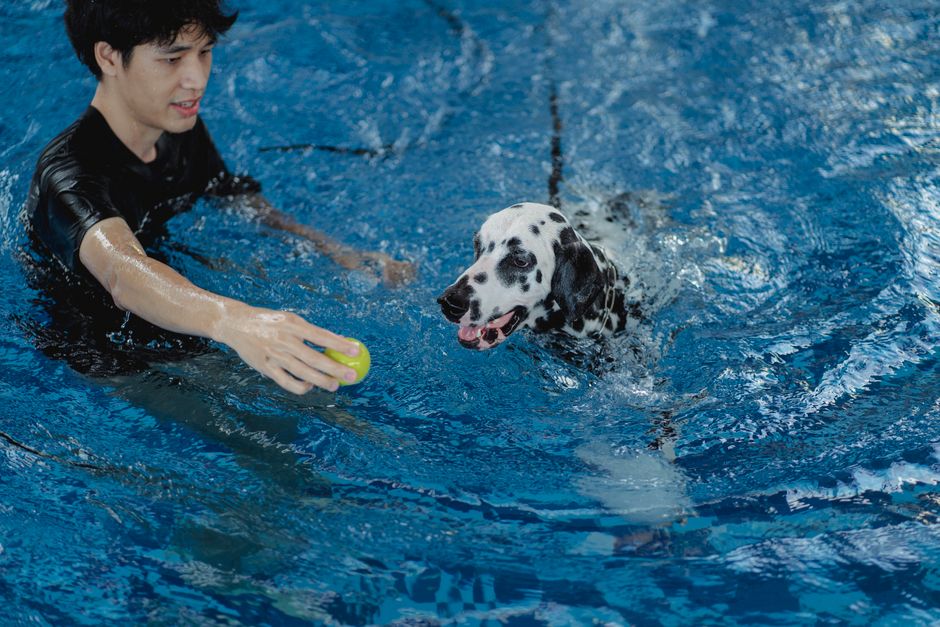
Therapies available for cats at our West Caldwell facility include underwater treadmill sessions, which provide low-impact resistance and support for safe exercise. Laser therapy is used to reduce pain and inflammation, helping to accelerate tissue healing. Extracorporeal shock wave therapy (ESWT) and pulsed electromagnetic field (PEMF) therapy are offered for chronic pain management and to stimulate recovery at the cellular level. Manual therapy, which may involve gentle massage and range-of-motion exercises, is carefully performed to reduce muscle stiffness and improve flexibility. Therapeutic exercises are customized to your cat’s comfort level and stage of healing, focusing on restoring strength, balance, and coordination.
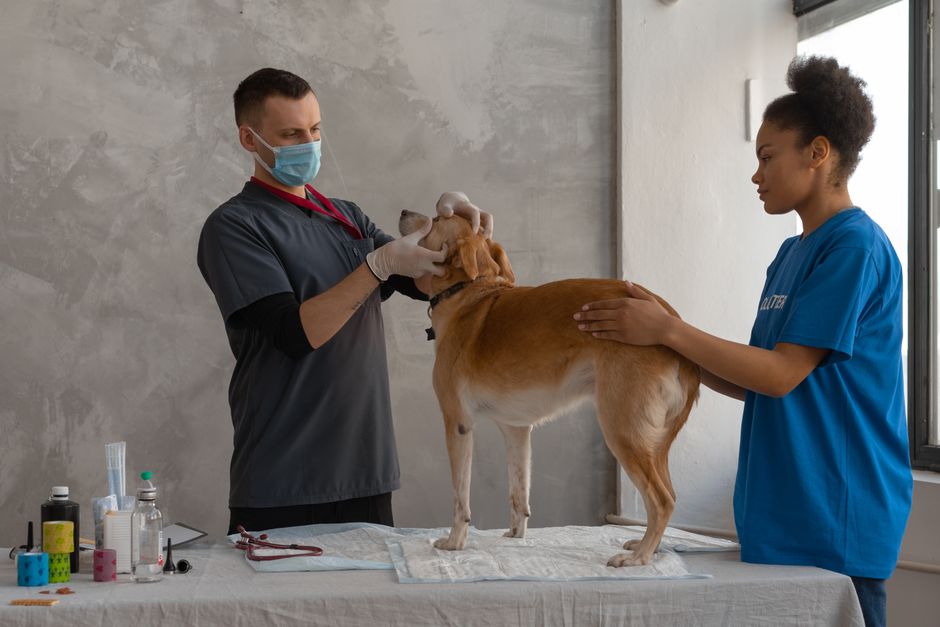
Our approach always starts with a thorough assessment of your cat’s condition, including a review of medical history, surgical notes (if applicable), and a hands-on evaluation. From there, we develop a comprehensive plan tailored to your cat’s unique needs, with progress tracked at each visit. The goal is always to help your cat return to their daily routine—whether that means leaping onto sunny windowsills, enjoying interactive play, or simply moving comfortably around your home.
If you’re curious about how these therapies can help your cat, our cat rehabilitation and physical therapy services page provides detailed information on what to expect.
What to Expect During a Cat Physical Therapy Session
Each therapy session is designed to be as stress-free as possible, with plenty of time for your cat to acclimate to the environment. During an initial appointment, our team will explain each modality to you, demonstrate therapeutic exercises, and discuss realistic goals for your cat’s recovery. Sessions may include hands-on treatments, movement exercises, and recommendations for home modifications to support ongoing progress.
Cats respond best to consistency and patience, so we encourage pet owners to follow home-care instructions closely and communicate any changes in behavior or symptoms between visits. Regular re-evaluations help us adjust the therapy plan as your cat improves.
Summer Home-Care Tips for Feline Recovery
Supporting your cat’s rehabilitation at home is a vital part of the recovery process, especially during the warm, humid summer months. Environmental modifications can make your cat’s life easier and safer while they heal. Consider providing ramps or steps to help your cat access favorite spots without jumping, and place litter boxes and food dishes in easily accessible locations to minimize unnecessary movement.
Hydration is crucial in hot weather, as dehydration can worsen recovery and discourage activity. Ensure fresh water is available in multiple locations, and monitor your cat for signs of overheating such as excessive panting, drooling, or seeking out cool surfaces. Encourage gentle, low-impact play sessions during cooler parts of the day, such as early morning or evening, to help maintain muscle strength without causing undue fatigue.
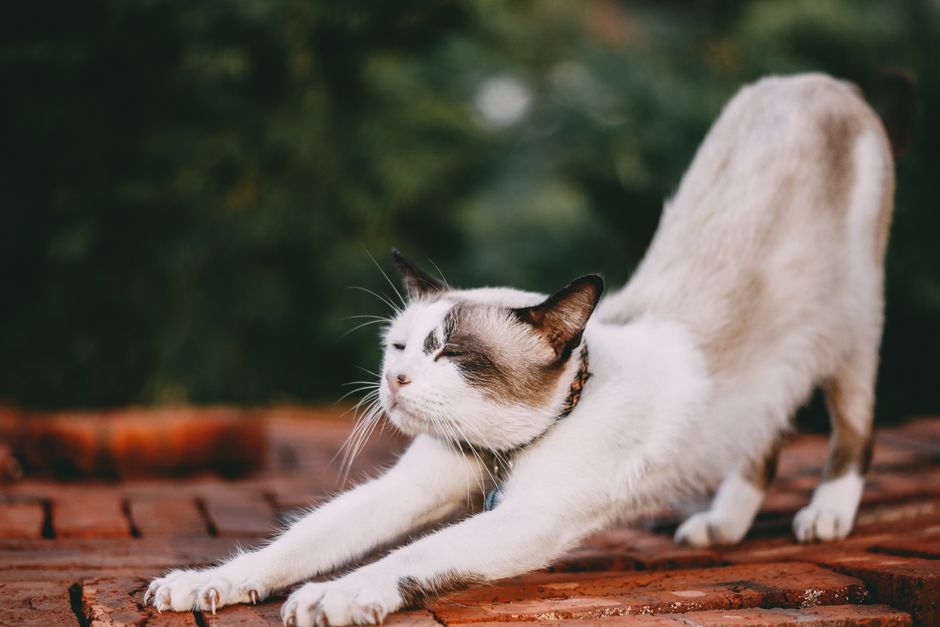
Following your veterinary team’s instructions for home exercises is essential. These may include guided stretching, gentle massage, or specific strengthening movements demonstrated during therapy sessions. Observing your cat’s reaction to these exercises helps you gauge progress and alert your veterinary team if any discomfort arises.
If your cat is prescribed medications or supportive devices like harnesses or carts, use these as directed to optimize comfort and mobility. Weight management is another important consideration; feeding an appropriate diet and monitoring portion sizes can help prevent excess strain on healing joints.
When to Seek Professional Veterinary Care
While at-home care is invaluable, certain situations require professional intervention. You should contact your veterinary team promptly if your cat experiences sudden or severe pain, new or worsening lameness, swelling that does not subside, or loss of appetite. Changes in behavior, such as increased hiding or aggression, can also signal complications that need to be addressed.
Cats recovering from surgery may occasionally develop complications such as infection, wound opening, or nerve damage. Warning signs include unusual discharge, persistent licking of surgical sites, or any loss of bladder or bowel control. If you observe these issues, do not delay in reaching out for guidance.
Professional rehabilitation is especially important if your cat’s progress plateaus or if you are unsure how to perform home exercises safely. The veterinary team at Alpha Animal Rehab & Fitness can assess your cat’s condition, update the therapy plan, and provide advanced modalities that are not available at home.
Why Choose Alpha Animal Rehab & Fitness for Cat Physical Therapy?
Alpha Animal Rehab & Fitness is proud to serve West Caldwell and nearby communities with a dedicated focus on feline rehabilitation and fitness. Our veterinary professionals combine specialized training with a compassionate, cat-friendly approach, ensuring that every patient receives individualized attention in a calm, supportive environment.
With state-of-the-art equipment and a deep understanding of feline physiology, we create recovery plans that address not only the physical aspects of healing but also your cat’s emotional comfort and wellbeing. Whether your cat is recovering from surgery, managing arthritis, or working through a mobility challenge, our team is committed to helping them regain confidence and independence.
If you are searching for a rehabilitation vet near me who truly understands feline needs, our practice is here to support your cat’s journey every step of the way.
Take the Next Step Toward Your Cat’s Recovery
Helping your cat recover from injury or surgery during the hot West Caldwell summer requires a thoughtful, multi-faceted approach. By recognizing early signs of mobility issues, addressing underlying causes, partnering with a skilled rehabilitation team, and following summer-specific home care tips, you can make a meaningful difference in your cat’s comfort and quality of life.
If you are ready to support your cat’s healing process with expert physical therapy, contact Alpha Animal Rehab & Fitness at (908) 454-2273 or visit our facility at 975 Bloomfield Ave, Suite 1, West Caldwell, NJ 07006. Our cat rehabilitation and physical therapy services are designed to help your feline companion thrive, even in the summer heat.
Your cat’s mobility, happiness, and independence are our top priorities. Reach out today to learn how our veterinary professionals can assist with a personalized recovery plan tailored to your cat’s unique needs.