Therapy for Dogs With Hip Dysplasia: Advanced Rehab Options

Therapy for Dogs With Hip Dysplasia: Advanced Rehab Options
Is your dog struggling to rise, play, or enjoy walks this summer in West Caldwell? Hip dysplasia is a common orthopedic challenge in dogs, but modern rehabilitation therapies can offer renewed mobility, less pain, and a happier life for your canine companion. At Alpha Animal Rehab & Fitness, located at 975 Bloomfield Ave, Suite 1, West Caldwell, NJ 07006, our dedicated team specializes in therapy for dogs with hip dysplasia, using a range of advanced modalities tailored to each patient's needs. In this blog, we’ll help you recognize the signs of hip dysplasia in your dog, explain why this condition develops, and walk you through the specialized rehabilitation therapies available right here in West Caldwell. Whether you’re searching for the most up-to-date treatment options or just want your dog to move comfortably again, you’ll find expert guidance and compassionate support from our veterinary rehabilitation professionals.
Recognizing the Signs: Does My Dog Have Hip Dysplasia?
Hip dysplasia is a developmental condition where the hip joint doesn’t form properly, leading to instability, inflammation, and eventually arthritis. Dogs of any breed can be affected, with larger breeds and certain genetically predisposed lines being at higher risk. Recognizing hip dysplasia early can make a world of difference in your dog’s quality of life.
Key symptoms include difficulty rising from lying down, hesitancy to jump or climb stairs, and a noticeable decrease in activity or play. Many dogs with hip dysplasia begin to bunny-hop when running or show stiffness after rest, especially during hot, humid West Caldwell summers when inflammation may worsen. Other signs to watch for include loss of muscle mass in the hind limbs, limping, or reluctance to go on walks. If your dog is slowing down or seems uncomfortable, don’t assume it’s just aging; hip dysplasia can affect young and senior dogs alike.
You can learn more about the specific symptoms and diagnosis of hip dysplasia by visiting our hip dysplasia information page, which goes into greater detail about what to look for and how we approach this condition at Alpha Animal Rehab & Fitness.
Understanding Hip Dysplasia in Dogs: Causes and Risk Factors
Hip dysplasia develops due to a combination of genetics, growth rate, nutrition, and environmental influences. In most cases, the ball and socket of the hip joint do not fit together smoothly, creating instability and abnormal movement. Over time, this repeated motion causes inflammation, pain, and changes in the joint structure, leading to arthritis.
Large and giant breeds, such as Labradors, German Shepherds, and Golden Retrievers, are particularly prone to hip dysplasia, but small breeds and even cats can be affected. Rapid growth during puppyhood, excess weight, and improper nutrition can all increase the risk. Even active dogs in peak physical condition can develop hip dysplasia if they have a genetic predisposition.
Environmental factors, such as slippery floors at home or excessive jumping, may exacerbate the condition. While you can’t change your dog’s genetics, being aware of these risk factors can help you make informed decisions about lifestyle and preventive care.
Advanced Therapy for Dogs With Hip Dysplasia in West Caldwell
If your dog has been diagnosed with hip dysplasia, you may feel overwhelmed by the treatment options. While surgery is sometimes necessary for severe cases, many dogs can experience significant improvements with non-surgical, evidence-based rehabilitation therapies. At Alpha Animal Rehab & Fitness, we focus exclusively on advanced rehab techniques designed to reduce pain, improve joint function, and help your dog regain independence.
Underwater Treadmill Therapy
One of the most effective modalities for dogs with hip dysplasia is underwater treadmill therapy. This treatment allows dogs to exercise in a buoyant environment, reducing the weight on their joints while maintaining muscle strength and cardiovascular fitness. The gentle resistance of water helps build muscle, improve gait, and enhance range of motion. Many dogs who struggle to walk on land find the underwater treadmill relaxing and enjoyable. For more details about how this works, explore our Underwater Treadmill rehabilitation service.
Laser Therapy for Reducing Pain and Inflammation
Laser therapy uses focused light energy to stimulate cellular healing, decrease inflammation, and relieve pain in affected hip joints. This non-invasive treatment is especially helpful for managing chronic discomfort and promoting faster recovery from flare-ups. Sessions are quick and well-tolerated, with many dogs showing visible improvement after just a few treatments. You can read more about the science and benefits of laser therapy for pets on our website.
Manual Therapy and Therapeutic Exercise
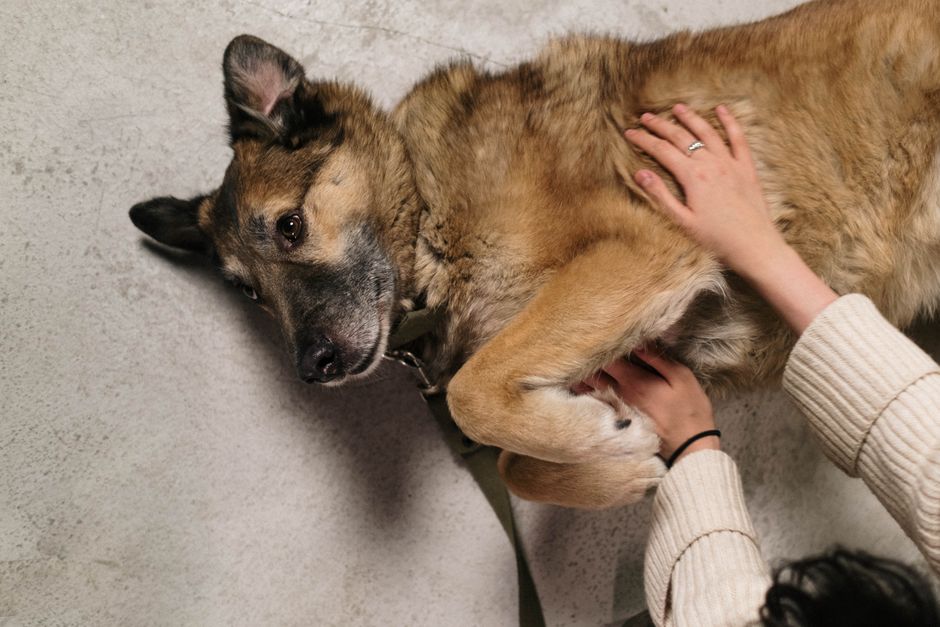
Hands-on manual therapy, including massage and joint mobilization, is vital for maintaining flexibility, reducing muscle tension, and decreasing discomfort. Our skilled veterinary professionals use targeted techniques to improve circulation and joint movement, working closely with you to ensure your dog feels comfortable and supported. Therapeutic exercises—such as controlled walking, balance work, and strength training—are customized for each patient, helping your dog regain confidence and mobility at their own pace. To understand more about these specialized techniques, visit our page on manual therapy for pets.
Additional Advanced Modalities
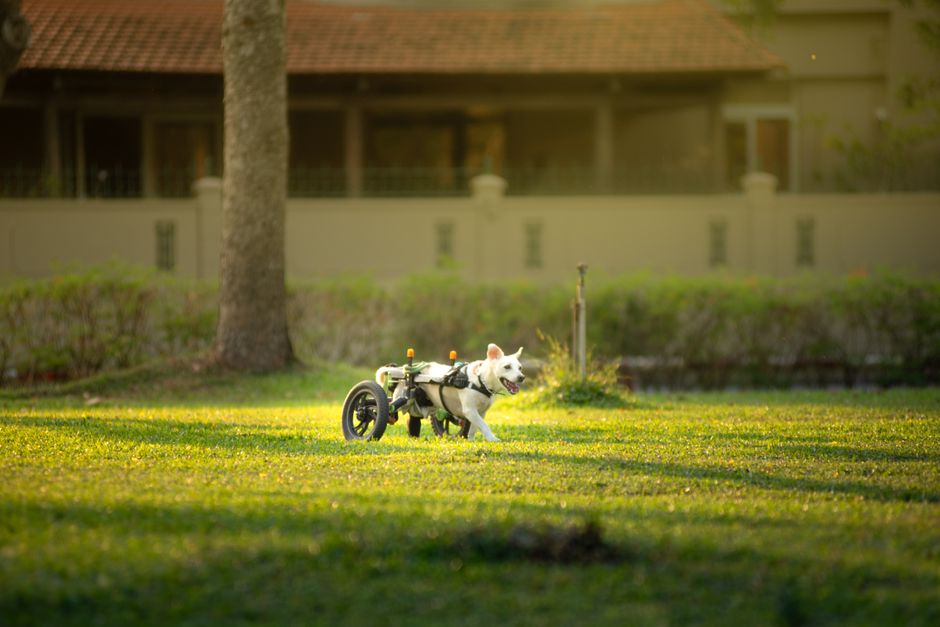
Depending on your dog’s specific needs, our team may recommend adjunct therapies such as pulsed electromagnetic field (PEMF) therapy, extracorporeal shockwave therapy (ESWT), or custom-fitted carts, harnesses, and braces. These modalities can further reduce pain, encourage healing, and enable dogs with severe mobility challenges to remain active and engaged in family life.
Home Care and Lifestyle Tips for Dogs With Hip Dysplasia
While professional therapy for dogs with hip dysplasia is essential, there are also practical steps you can take at home to support your dog’s health and comfort. Maintaining a healthy weight is perhaps the most critical factor, as excess pounds increase stress on the hips. Choose a high-quality, veterinarian-recommended diet, and use slow, measured feeding to prevent rapid growth in puppies.
Daily routines should include gentle exercise, such as short leash walks, to keep joints flexible without overexertion. Provide padded bedding in a draft-free area, and use ramps or steps to help your dog get on and off furniture safely. Non-slip rugs or mats can prevent falls on slippery floors. During hot West Caldwell summers, avoid strenuous activity at midday, opting for early morning or evening walks when it’s cooler.
Regular home exercises, prescribed by your veterinary rehabilitation team, can help maintain muscle tone and joint flexibility. These may include controlled sit-to-stand movements, weight shifting, and gentle stretching—but always follow professional guidance to avoid injury. Never attempt aggressive stretching or force your dog into uncomfortable positions.
When to Seek Professional Rehabilitation for Hip Dysplasia
If your dog is limping, showing signs of pain, or losing interest in favorite activities, it’s time to consult a veterinary rehabilitation specialist. Early intervention can slow the progression of hip dysplasia and minimize long-term joint damage. Sudden worsening of symptoms, such as severe lameness, loss of appetite, or difficulty rising, warrants prompt evaluation.
It’s also important to seek professional guidance if home care strategies aren’t providing relief or if your dog’s mobility continues to decline. Our team at Alpha Animal Rehab & Fitness is experienced in evaluating and managing complex orthopedic conditions, and we’re committed to creating personalized rehabilitation plans for each patient.
For more comprehensive information about this condition and when to seek help, visit our dedicated hip dysplasia treatment options page.
Why Choose Alpha Animal Rehab & Fitness for Therapy for Dogs With Hip Dysplasia?
At Alpha Animal Rehab & Fitness in West Caldwell, we focus exclusively on advanced rehabilitation and fitness for dogs and cats. Our veterinary professionals are trained in the latest techniques for managing mobility challenges, including underwater treadmill therapy, laser therapy, and manual therapy. Each patient receives a tailored plan based on their unique needs, breed, and lifestyle, ensuring the best possible outcomes.
We work closely with your primary care veterinarian and provide ongoing progress updates, making us the ideal referral destination for specialty rehab care in West Caldwell and surrounding communities. Our clinic is equipped with state-of-the-art facilities, and our compassionate team is dedicated to helping your dog regain independence, strength, and joy.
Take the Next Step: Contact Your Local Specialty Rehab Vet Near Me
If your dog is living with hip dysplasia, compassionate and effective therapy is available close to home. The veterinary rehabilitation team at Alpha Animal Rehab & Fitness is here to guide you and your dog through every stage of recovery. Whether you’re exploring therapy for dogs with hip dysplasia for the first time or seeking advanced options after a diagnosis, we encourage you to reach out for an evaluation.
When searching for a specialty rehab vet near me, choose a team that combines experience, empathy, and evidence-based care. To schedule a consultation or ask about our services, call us at (908) 454-2273 or visit us at 975 Bloomfield Ave, Suite 1, West Caldwell, NJ 07006. Your dog’s comfort, independence, and happiness are our top priorities—let us help you take the next step toward a better quality of life.
This blog is intended for educational purposes only and does not replace professional veterinary care. If you are concerned about your dog’s health or mobility, consult your veterinarian or a veterinary rehabilitation specialist for an accurate diagnosis and individualized treatment plan.