Signs Your Cat Could Benefit From Physical Rehabilitation

Signs Your Cat Could Benefit From Physical Rehabilitation
Is your cat having trouble jumping onto the bed, hesitating at the stairs, or just not moving like their usual self? As a cat owner, it can be difficult to notice subtle changes in your feline’s mobility, but these early signs may point to underlying discomfort or injury that can be helped with specialized care. At Alpha Animal Rehab & Fitness, located at 975 Bloomfield Ave, Suite 1, West Caldwell, NJ 07006, our veterinary team is dedicated to helping cats regain comfort and confidence through advanced physical rehabilitation services. In this article, we’ll explore the warning signs that your cat could benefit from rehab, explain what causes these issues, and discuss how targeted therapy options can restore your cat’s quality of life. If you’re worried that your cat is slowing down or struggling, read on to discover how our experienced rehabilitation professionals in West Caldwell and surrounding communities can help.
How to Recognize When Your Cat Needs Physical Rehabilitation
Cats are masters at hiding pain and discomfort, so it’s easy for changes in their movement or behavior to go unnoticed until the problem becomes significant. However, recognizing the early signs that your cat may need physical rehabilitation can make a huge difference in their long-term health and happiness.
Key symptoms that suggest your cat could benefit from physical therapy include reluctance to jump onto furniture, difficulty climbing stairs, or an obvious limp. Some cats may groom themselves less on one side, which can signal joint pain or restricted range of motion. You might also notice your cat is less playful, sleeps more, or avoids using the litter box if it involves climbing or stepping up. Subtle changes such as hesitation before moving, a hunched posture, or vocalizing when picked up can also be early indicators of discomfort.
Other warning signs are changes in muscle tone, such as thinning or wasting of muscles in the hind legs, or visible swelling around the joints. Cats recovering from surgery or injury—such as after a fracture, joint repair, or spinal issue—may show slow progress, stiffness, or persistent weakness. Senior cats, in particular, often develop mobility challenges due to arthritis or neurological changes, leading to a gradual decline in their activity levels.
If you observe any of these signs, it’s important to consider whether your cat might benefit from specialized cat rehabilitation and physical therapy services. Early intervention can help restore mobility, reduce pain, and prevent further decline.
Why Do Cats Develop Mobility Issues? Understanding the Causes
Cats can experience mobility problems for a variety of reasons. One of the most common causes is degenerative joint disease, also known as arthritis, which typically develops as cats age. Arthritis leads to inflammation, pain, and stiffness in the joints, making it hard for cats to move comfortably. Obesity is another significant factor, as excess weight puts additional strain on the joints and muscles.
Injuries such as sprains, ligament tears, or fractures can also restrict a cat’s ability to move freely. Surgical procedures, especially orthopedic or spinal surgeries, often require a period of careful rehabilitation to restore function and strength. Some cats may suffer from neurological conditions, such as intervertebral disc disease (IVDD), which impacts nerve function and muscle coordination. Congenital issues, like hip dysplasia, can also contribute to ongoing discomfort and limited mobility.
Additionally, sedentary lifestyles or lack of environmental enrichment can lead to muscle weakness and a decline in flexibility, especially in indoor cats. As cats age, muscle mass naturally decreases, making them more prone to injury and slower to recover from even minor incidents.
Understanding the underlying cause of your cat’s mobility issue is essential for choosing the right therapy approach. At Alpha Animal Rehab & Fitness, our rehabilitation team works closely with your primary veterinarian to identify the root of the problem, whether it’s arthritis, injury, neurological disease, or post-surgical recovery.
Professional Treatment Options for Cats at Alpha Animal Rehab & Fitness
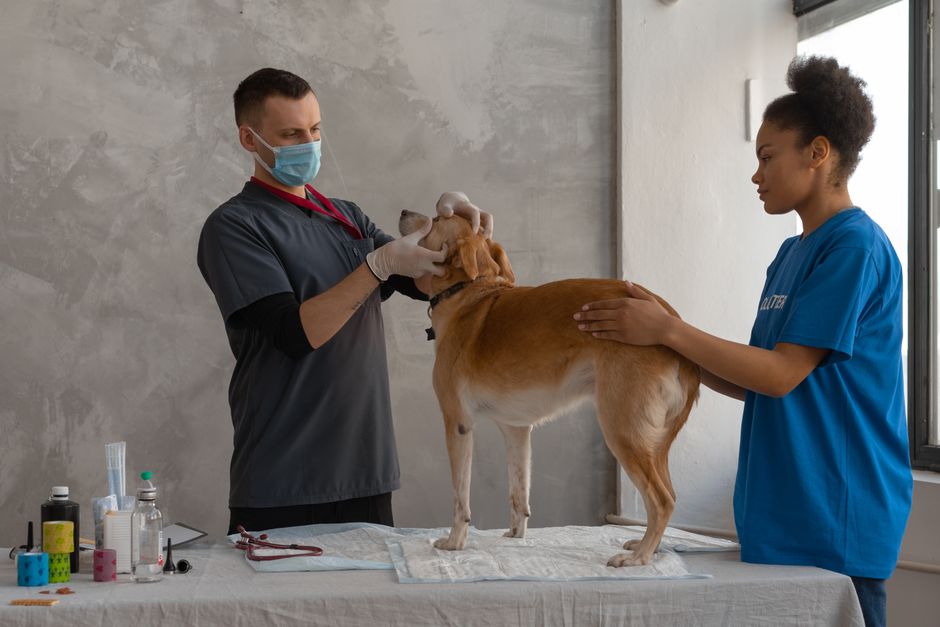
If your cat is showing signs of discomfort or decreased mobility, professional physical rehabilitation can make a remarkable difference. At Alpha Animal Rehab & Fitness, we offer a range of evidence-based therapies specifically designed for feline patients. Our team of veterinarians and rehabilitation professionals create individualized treatment plans that address your cat’s unique needs and health challenges.
One of the cornerstones of our feline rehab program is manual therapy, which involves hands-on techniques to improve joint mobility, reduce pain, and restore normal movement patterns. Manual therapy can be particularly effective for cats with arthritis or stiffness following an injury.
For pain management and accelerated healing, we offer laser therapy, which uses targeted light energy to decrease inflammation, promote tissue repair, and support wound healing. Many cats experience significant relief from chronic pain and improved comfort after a series of laser therapy sessions.
Our practice also provides therapeutic exercise plans tailored to each cat’s abilities and progress. These exercises are designed to strengthen muscles, improve balance, and gently increase flexibility. We use a variety of tools, including obstacle courses, balance equipment, and interactive activities, to keep sessions engaging for your cat.
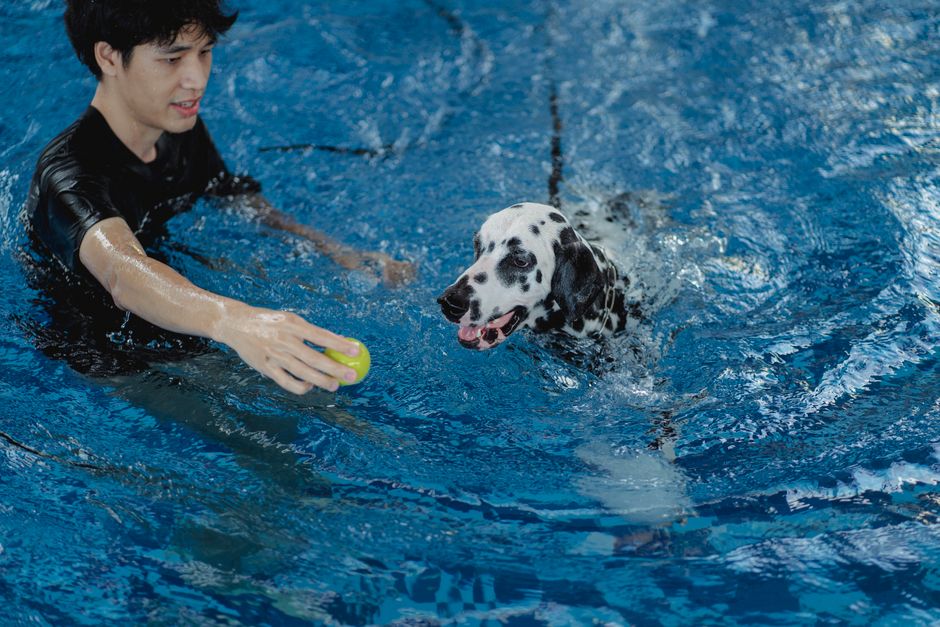
Additional advanced modalities such as underwater treadmill therapy, shockwave therapy (ESWT), and pulsed electromagnetic field (PEMF) therapy are available for cats who need further support in their recovery journey. Every treatment plan is developed in consultation with you and your referring veterinarian, with regular progress updates and adjustments as needed.
What You Can Do at Home to Support Your Cat’s Mobility
While professional rehabilitation is the foundation of recovery, there are many steps you can take at home to help your cat stay active and comfortable. Creating an accessible environment is key; for example, consider adding ramps or steps to favorite resting spots to make it easier for your cat to climb. Placing food, water, and litter boxes within easy reach on the main floor of your home can reduce unnecessary strain.
Keeping your cat at a healthy weight is crucial, as excess pounds can worsen joint pain and limit movement. Your veterinary team can help you develop a nutrition and weight management plan that supports gentle weight loss if needed. Encourage safe play with interactive toys and short, frequent activity sessions tailored to your cat’s abilities.
Grooming assistance may be needed if your cat can no longer reach certain areas. Regularly check for signs of matting, skin irritation, or overgrown nails. Providing soft, supportive bedding in a quiet, draft-free spot also helps encourage rest and recovery.
Your rehabilitation team may recommend specific home exercises for your cat. These could include gentle stretches, range-of-motion activities, or balance challenges that you can perform under professional guidance through in-person or virtual consults. Always follow veterinary instructions and avoid forcing your cat to do activities that cause pain or resistance.
When Should You Seek Professional Rehabilitation Services for Your Cat?
Sometimes, it can be tempting to wait and see if your cat’s mobility improves on its own. However, timely intervention is key to preventing chronic pain and irreversible decline. You should seek professional rehabilitation services if your cat has persistent difficulty jumping, walking, or climbing, or if you notice ongoing pain, muscle loss, or reluctance to move.
Cats recovering from orthopedic or spinal surgery, as well as those with chronic conditions like arthritis, can benefit greatly from early rehabilitation. If your cat experiences a sudden loss of function, severe pain, or is unable to move a limb, seek veterinary care immediately to rule out emergencies.
Alpha Animal Rehab & Fitness specializes in physical rehabilitation and fitness services for cats, working alongside your primary veterinarian to deliver comprehensive, compassionate care. Whether your cat needs help after an injury, surgery, or is simply slowing down with age, our team is here to support their journey back to comfort and mobility.
If you are searching for a specialty vet near me, make sure to choose a team with feline-specific expertise, advanced therapeutic modalities, and a commitment to individualized care. Early rehabilitation can be life-changing for your cat and offers the best chance at a comfortable, active future.
Supporting Your Cat’s Health and Comfort in West Caldwell and Beyond
Helping your cat maintain mobility and independence is one of the most loving gifts you can provide. By recognizing the early signs of discomfort and seeking specialized rehabilitation services, you can dramatically improve your cat’s quality of life. At Alpha Animal Rehab & Fitness, our veterinary professionals are passionate about restoring comfort and confidence for cats in West Caldwell and surrounding communities.
If you have noticed any changes in your cat’s movement or behavior, or if you want to explore proactive options to support their health, we invite you to contact our team for a consultation. You can learn more about our cat rehabilitation and physical therapy services or call us at (908) 454-2273 to discuss your cat’s unique needs. We also offer virtual consults for added convenience.
When you need a specialty vet near me who truly understands feline mobility, look no further than Alpha Animal Rehab & Fitness at 975 Bloomfield Ave, Suite 1, West Caldwell, NJ 07006. Let our experienced team help your cat move, play, and thrive once again. Your cat deserves to feel their best every season—reach out today to start their journey toward renewed comfort and vitality.