Practical Steps to Help Your Dog Maintain Joint Muscle

Practical Steps to Help Your Dog Maintain Joint Muscle
If you have noticed your dog slowing down, hesitating to jump, or showing signs of muscle loss around their joints, you are not alone. As dogs age or face orthopedic challenges, maintaining strong muscles near their joints becomes critical for mobility and overall quality of life. Many pet owners ask, “What practical steps can I take to manage helping a dog maintain muscle around the joints?” At Alpha Animal Rehab & Fitness, located at 975 Bloomfield Ave, Suite 1, West Caldwell, NJ 07006, our team specializes in physical rehabilitation for dogs and cats. In this blog, we will explore how you can recognize early signs of muscle loss, understand why your dog might be struggling, and discover expert-backed strategies to keep your companion strong and active at home and with the support of our veterinary rehabilitation professionals.
From identifying at-home exercises to knowing when to seek help from our canine physical therapy team, this guide walks you through what practical steps you can take to manage helping a dog maintain muscle around the joints. We will also discuss which therapies and tools—like underwater treadmill, manual therapy, and supportive devices—can make a difference for your dog in West Caldwell and surrounding communities.
Recognizing Signs of Muscle Loss and Joint Weakness in Dogs
Noticing subtle changes in your dog's movement is the first step toward supporting their joint and muscle health. Key symptoms of muscle loss around the joints include your dog hesitating to stand up or lie down, struggling to jump onto furniture or into the car, and showing a visible decrease in muscle mass near the hips, shoulders, or knees. You might observe wobbling, a swaying gait, or even a reluctance to play as enthusiastically as before.
Other signs can include stiffness after resting, favoring one limb over another, or difficulty navigating stairs. In some cases, dogs may lick or chew at an affected joint, which can indicate discomfort or pain. Catching these changes early allows you to intervene with the right strategies and therapies to help your dog regain strength and mobility.
Understanding Why Dogs Lose Muscle Around Their Joints
There are several reasons why dogs can begin to lose muscle near their joints, and understanding the root cause is essential for managing the issue effectively. Age is a common factor; as dogs get older, natural muscle atrophy can occur, and conditions like osteoarthritis become more prevalent. Reduced physical activity, whether from pain, injury, or chronic disease, can accelerate muscle loss.
Orthopedic conditions such as hip dysplasia, cranial cruciate ligament (CCL) tears, or degenerative joint disease contribute to decreased use of affected limbs, leading to muscle atrophy. Neurological disorders may also play a role in muscle weakness and loss. Additionally, improper nutrition, obesity, and even prolonged crate rest after surgery can slow down muscle building and healing.
If your dog has been diagnosed with arthritis, you can read more about the condition and its management at our arthritis management resources. Understanding your dog’s specific diagnosis is key to choosing the right path forward.
What Practical Steps Can I Take to Manage Helping a Dog Maintain Muscle Around the Joints?
When considering what practical steps you can take to manage helping a dog maintain muscle around the joints, a combination of home care, targeted exercise, and professional therapies is most effective. At Alpha Animal Rehab & Fitness, we guide pet owners through a comprehensive approach that is tailored to each dog’s needs.
Exercise at Home: Daily Movement Matters
Regular, controlled exercise is one of the most important ways to maintain muscle and support joint function. Short, frequent walks on leash allow for gentle muscle engagement without overwhelming sore joints. Encouraging your dog to move around the house, climb a few steps, or play gentle games can help keep muscles active.
Specific therapeutic exercises, such as sit-to-stand repetitions, gentle weight shifting, or walking over low obstacles, can be highly beneficial. These types of activities are designed to engage the muscles supporting your dog’s joints while minimizing the risk of injury. Our team creates custom therapeutic exercise plans tailored to your dog’s condition, age, and abilities.
Professional Rehabilitation Therapies
For many dogs, professional rehabilitation services provide a valuable boost in maintaining or regaining muscle around the joints. Modalities such as the underwater treadmill offer low-impact resistance, allowing dogs to exercise without putting excess strain on painful joints. Hydrotherapy is especially useful for dogs recovering from injury or surgery and for those with arthritis, as the buoyancy of water reduces stress on the limbs while encouraging muscle use.
Manual therapy, which includes targeted massage and stretching, helps to increase blood flow, reduce stiffness, and improve flexibility. Learn more about how manual therapy services can support your dog’s joint health and muscle strength through techniques that are both safe and effective.
Other advanced therapies, such as laser therapy, ESWT shockwave, and PEMF therapy, are also available to reduce inflammation and promote healing. These modalities can be integrated into your dog’s rehabilitation plan based on their individual needs.
Supportive Devices and Mobility Aids
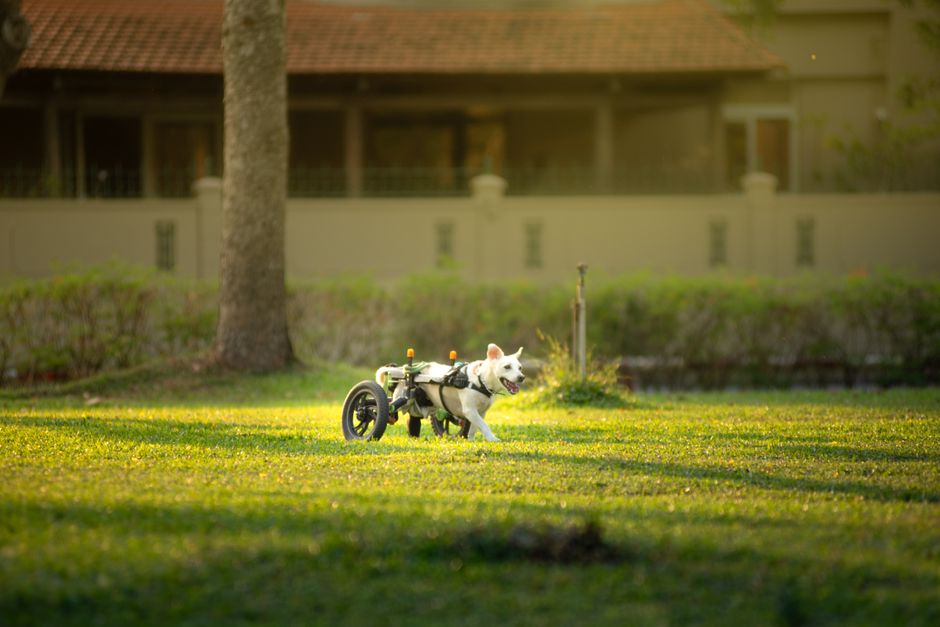
For dogs who are struggling with mobility, supportive devices like harnesses, braces, or carts can make a significant difference. These tools help stabilize joints, reduce pain during movement, and allow your dog to remain active as they build strength. The right device depends on your dog’s condition and lifestyle; our veterinary team can recommend and fit carts, harnesses, and braces that will best support your dog’s recovery.
Nutrition and Weight Management
Keeping your dog at a healthy weight is crucial for joint health and muscle maintenance. Excess weight puts additional stress on the joints and can accelerate muscle loss due to reduced activity. High-quality, protein-rich diets support muscle growth and repair. Our team can provide guidance on appropriate nutrition and weight management strategies tailored to your dog’s needs.
Prevention and Ongoing Home Care for Joint and Muscle Health
Prevention is always easier than recovery. To help your dog maintain strong muscles and healthy joints throughout their life, start with a lifestyle that prioritizes regular movement and a balanced diet. Encourage your dog to stay active with age-appropriate exercise, and create a safe, accessible environment at home by providing non-slip surfaces and easy access to favorite resting spots.
For senior dogs or those with arthritis, consider specialized care plans like our senior dog conditioning and arthritis treatment, which are designed to meet the evolving needs of aging pets. Consistent, gentle activity, mental stimulation, and proper rest all play a role in preventing muscle loss and supporting joint function.
Additionally, monitoring for early warning signs of discomfort or weakness and addressing them promptly can prevent more serious mobility issues down the line. Owners who remain proactive can help their dogs enjoy more active, comfortable years.
When to Seek Professional Rehabilitation for Your Dog
While many at-home strategies can help, there are times when professional intervention is necessary to ensure your dog’s quality of life. If you notice your dog losing muscle mass rapidly, experiencing persistent lameness, or struggling with daily activities despite your efforts, it is time to consult with a veterinary rehabilitation specialist.
Other reasons to seek help include sudden changes in mobility, signs of pain such as whimpering or refusing to bear weight on a limb, or after an orthopedic injury or surgery. Our team at Alpha Animal Rehab & Fitness is equipped to evaluate your dog’s mobility, design custom therapy programs, and recommend the right combination of therapies and supportive devices.
For dogs facing chronic issues like CCL tears, discover how our rehabilitation approaches for CCL injuries can support recovery and muscle strengthening. Early intervention often leads to better outcomes and a faster return to normal activities.
Supporting Your Dog’s Joint and Muscle Health: Local Expertise You Can Trust
Helping your dog maintain muscle around their joints requires patience, consistency, and the right support. By recognizing early signs, understanding the causes, and implementing practical steps both at home and with professional guidance, you can make a real difference in your dog’s mobility and happiness.
If you are wondering, “What practical steps can I take to manage helping a dog maintain muscle around the joints?”, know that our compassionate team at Alpha Animal Rehab & Fitness is here to guide you. Whether you need advice on exercise routines, want to explore physical therapy options, or are seeking advanced therapies for a complex condition, we are committed to helping dogs in West Caldwell and surrounding communities lead active, joyful lives.
If you are searching for a rehabilitation vet near me, reach out to our veterinary professionals for guidance or to schedule a consultation. Visit us at 975 Bloomfield Ave, Suite 1, West Caldwell, NJ 07006 or call (908) 454-2273 to get started. Your dog’s mobility and comfort are our top priority, and together, we can help them enjoy a healthier, more active future.
For more information about our services, including therapeutic exercise plans, underwater treadmill therapy, and senior dog care, explore our website or contact our team today. Always consult with your veterinarian or rehabilitation specialist before starting a new exercise or therapy plan for your dog.