Top Summer Fitness Tips for Dogs in Rehab

Top Summer Fitness Tips for Dogs in Rehab
Summer brings long days, bright sunshine, and the perfect opportunity for dogs to stay active and engaged. But for dogs recovering from injury or managing mobility challenges, the heat in West Caldwell and surrounding communities can add complexity to their rehabilitation. Many pet owners worry that their dog’s progress in physical therapy might stall during hot July days, especially when outdoor activity feels limited. At Alpha Animal Rehab & Fitness, located at 975 Bloomfield Ave, Suite 1, West Caldwell, NJ 07006, our veterinary rehabilitation team specializes in helping dogs and cats maintain their momentum all season long with safe, creative, and effective summer exercises. In this blog, we will guide you through recognizing when your dog needs extra support, understanding the unique challenges of summer rehab, exploring professional and home-friendly rehab strategies, and knowing when to reach out for expert help. Whether your dog is healing from surgery, managing arthritis, or building strength, you will find practical advice tailored to New Jersey’s climate and your companion’s needs.
Recognizing When Your Dog Needs Extra Summer Support
As temperatures rise, it becomes more challenging for dogs in rehab to stay comfortable and active. You may notice subtle changes that suggest your dog is struggling to keep up with their recovery or fitness plan. Key signs include reluctance to move or exercise, increased panting even with minimal activity, and seeking out cool surfaces to rest upon. Other indications can be stiffness in the mornings, slower transitions between lying down and standing, or shying away from favorite activities like short walks or gentle play. If your dog is recovering from orthopedic surgery or managing a chronic condition such as arthritis, you might also notice that swelling or discomfort seems to flare up after time outside.
Heat sensitivity is common in dogs with mobility issues, especially those with thick coats or brachycephalic breeds. Pay attention if your dog becomes restless, shows signs of lameness, or appears more fatigued than usual. If you observe changes in appetite or notice that your dog’s mobility aids—such as harnesses or braces—are causing new areas of irritation, it’s time to adjust your approach. Early recognition of these challenges allows you to modify the exercise plan before setbacks occur, keeping your dog safe and motivated throughout the summer.
Why Summer Can Be Challenging for Dogs in Rehabilitation
Summertime in West Caldwell often brings high humidity, rising temperatures, and unpredictable weather patterns. For dogs in the midst of a rehabilitation program, the seasonal changes can impact both their physical comfort and their ability to participate in exercise. Dogs that are already working hard to rebuild muscle or regain mobility may be more susceptible to overheating, dehydration, and fatigue. The risk increases when pavement or artificial turf becomes hot, as sensitive paw pads can burn easily.
Additionally, some dogs experience a natural decline in activity during the hottest months, leading to muscle loss or joint stiffness if not carefully managed. For those with chronic pain conditions, such as arthritis or hip dysplasia, inflammation can be exacerbated by heat and inactivity. Hydration also becomes crucial, as dogs may lose fluids more rapidly during rehabilitation sessions. Understanding these seasonal factors allows pet owners and veterinary rehabilitation professionals to tailor summer fitness routines that prioritize safety while still supporting progress.
Professional Rehabilitation and Summer Fitness Strategies
At Alpha Animal Rehab & Fitness, our team focuses exclusively on physical therapy and fitness services for dogs and cats, providing individualized care that adapts to each patient’s needs and the realities of the season. Our approach combines advanced modalities, hands-on techniques, and creative exercise solutions to help your dog thrive, even in the summer heat.
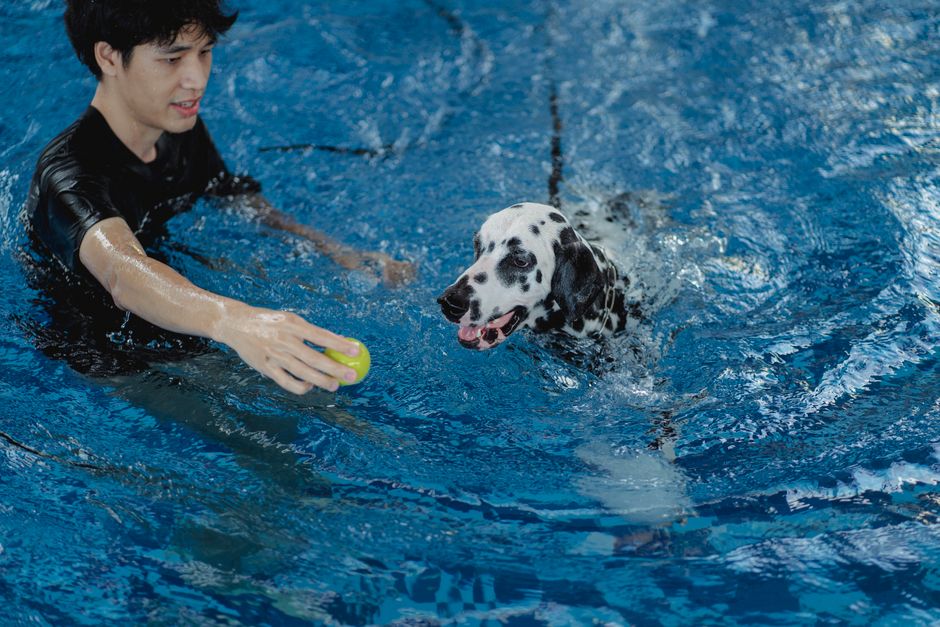
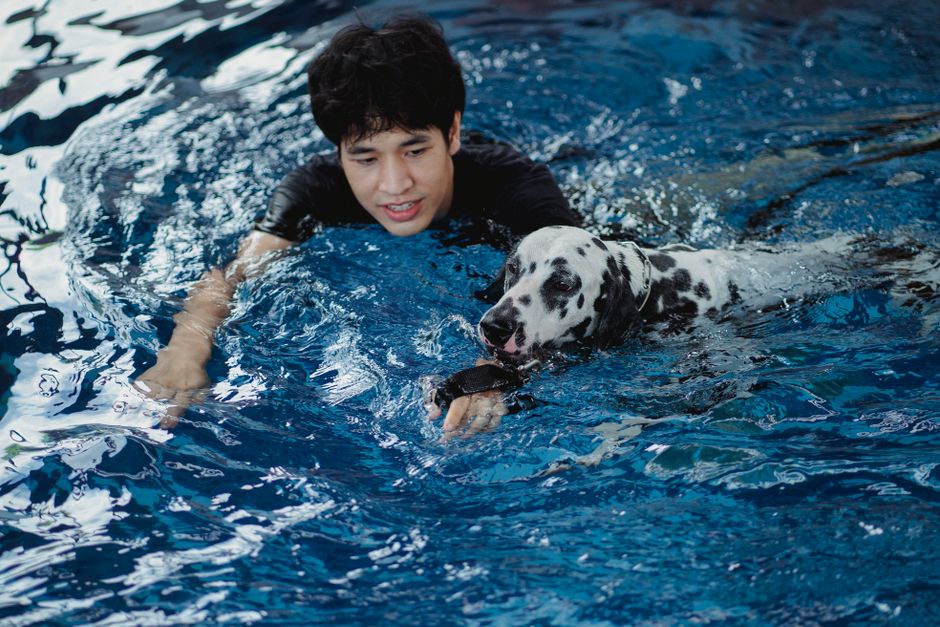
For many dogs, underwater treadmill therapy becomes a cornerstone of summer rehab. The buoyancy of water reduces stress on joints while providing resistance for muscle strengthening, all in a temperature-controlled environment. This makes it possible for dogs to work on range of motion, gait retraining, and endurance without risk of overheating. Our facility’s climate control allows for comfortable therapy sessions regardless of outside temperatures, ensuring consistent progress.
Laser therapy is another summer-friendly option, using focused light energy to decrease inflammation and support tissue healing. Dogs recovering from orthopedic injuries, soft tissue strains, or chronic pain conditions often benefit from this modality, which can be integrated into a comprehensive plan. For those needing extra support with mobility, we offer carts, harnesses, and braces designed to fit comfortably and provide stability, especially on hot or uneven surfaces.
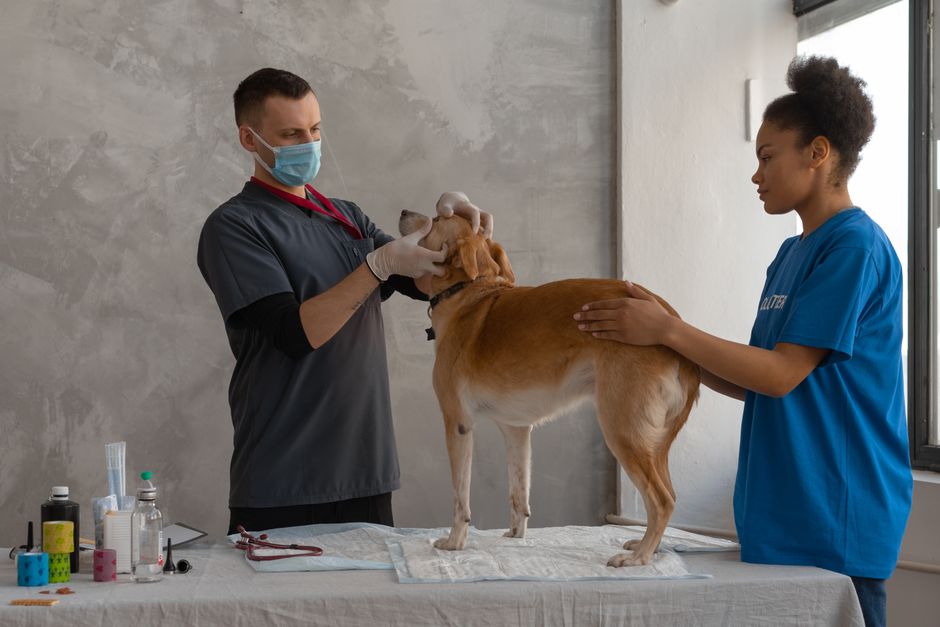
Our therapeutic exercise programs are fully customized, with exercises adapted to your dog’s current fitness, goals, and environmental limitations. We incorporate tools such as balance cushions, cavaletti poles, and gentle stretching routines, adjusting intensity and duration based on how your dog responds each day. For senior dogs, our senior dog care services address the unique needs of aging companions, focusing on maintaining strength, flexibility, and independence while minimizing discomfort.
Safe and Fun Home Exercises for Summer
While professional therapies provide structure and monitoring, much of your dog’s progress depends on what happens at home. With the right approach, you can keep your dog moving safely, even when the weather is less than ideal. Early mornings and evenings are typically the best times for outdoor activity, as temperatures are lower and surfaces are cooler. Short walks on grass or shaded paths help maintain cardiovascular health and muscle tone without risking overheating.
Inside, creative games and exercises can make rehabilitation fun and effective. Practicing sit-to-stand transitions, slow leash walking, and gentle stretching can be incorporated into daily routines. For dogs who enjoy water, supervised sessions in a kiddie pool or gentle hose play provide resistance without joint stress, as long as water is clean, fresh, and not too cold. Simple activities like “find it” games with treats encourage movement and mental engagement, supporting both physical and emotional well-being.
Always ensure plenty of fresh, cool water is available, and use cooling mats or fans to create a comfortable recovery environment. Monitor your dog closely for any signs of fatigue or distress, and remember that rest is as important as activity in the rehab process. If your dog uses mobility aids, check daily for proper fit and adjust as needed to prevent rubbing or pressure sores.
When to Seek Veterinary Rehabilitation Support
While many summer rehab activities can be managed at home, certain signs signal the need for professional intervention. If your dog experiences sudden lameness, persistent reluctance to move, swelling in joints or limbs, or if wounds develop near surgical or brace areas, it’s important to seek evaluation from a veterinary rehabilitation specialist. Heatstroke is a true emergency; symptoms include excessive panting, drooling, collapse, or vomiting, and immediate veterinary care is required.
You should also reach out if your dog’s condition plateaus or regresses despite consistent home exercise. Our veterinary rehabilitation team can reassess your dog’s plan, provide advanced therapies, and guide you through modifications to keep progress on track. For those unable to travel or needing guidance between appointments, we offer virtual consults, allowing you to connect with our experts from the comfort of your home.
Remember, rehabilitation is a dynamic process that often requires adjustments based on how your dog feels day to day. Open communication with your rehabilitation team ensures your dog receives the best care possible, especially during the challenges of summer.
Supporting Your Dog’s Recovery with Professional Guidance
As you navigate the summer months with a dog in rehabilitation, the right blend of professional therapy and home-based support can make all the difference. At Alpha Animal Rehab & Fitness, our team of veterinary rehabilitation professionals is dedicated to helping your companion stay active, comfortable, and motivated, even when temperatures rise. With specialized services such as underwater treadmill therapy, therapeutic exercise, and custom mobility solutions, we create individualized plans that address every aspect of recovery and fitness.
If you are searching for a rehabilitation vet near me in West Caldwell or the surrounding area, our facility is equipped and ready to support your dog’s journey. Whether you need a program for post-surgical recovery, chronic pain management, or simply want to keep your senior dog moving, we encourage you to reach out for expert guidance.
To schedule a consultation or learn more about our summer rehab strategies, contact our team at (908) 454-2273 or visit us at 975 Bloomfield Ave, Suite 1, West Caldwell, NJ 07006. Together, we can help your dog maintain independence, enjoy the summer season, and achieve lasting wellness.
The information in this blog is for educational purposes only and should not replace individualized veterinary care. If you have questions about your dog’s rehabilitation or notice concerning symptoms, consult with a veterinary rehabilitation professional promptly.